
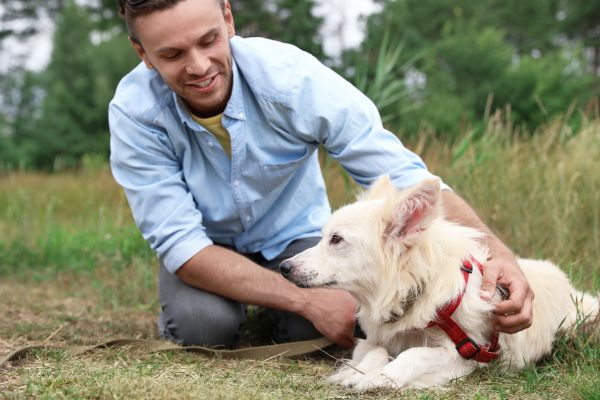
Walking into an animal shelter for the first time can stir up a mix of feelings. There is excitement, of course. Most people who volunteer at shelters do it because they love animals and want to help in a real, hands-on way. But there can also be nerves. The barking may be louder than expected. The work may feel more practical than romantic. And the animals, as sweet as they are, may not always behave like the calm pets people imagine from home.
That is why good preparation matters. The best tips for first time animal shelter volunteers are not only about what to wear or when to arrive, though those things help too. They are about understanding the rhythm of shelter life, respecting the people who run it, and learning how to support animals in a way that is safe, patient, and genuinely useful.
Volunteering at a shelter can be deeply rewarding, but it is also real work. When you arrive with the right mindset, you make the experience better for yourself, the staff, and the animals waiting for care.
Understand That Shelter Work Is Not Always Cuddles
Many first-time volunteers imagine spending most of the day petting cats, walking happy dogs, or playing with puppies. Sometimes that happens, and those moments can be wonderful. But animal shelter work also involves cleaning, laundry, dishes, organizing supplies, filling water bowls, and following routines that may not feel glamorous.
This practical work matters. Clean kennels help prevent illness. Fresh bedding makes animals more comfortable. Washed bowls and disinfected spaces protect animals who may already be stressed or vulnerable. A volunteer folding towels or scrubbing food dishes is still making a real difference.
It helps to arrive with an open attitude. If the staff asks you to help with basic tasks, it does not mean they are overlooking your love for animals. It means they trust you with work that keeps the shelter running. Often, the less visible jobs are the ones that give staff more time for medical care, adoptions, and urgent cases.
Listen Carefully During Training
Shelter training is not just a formality. It teaches you how the facility works, where supplies are kept, which animals need special handling, and what safety rules must be followed. Even if you have had pets your whole life, a shelter is a different environment from a home.
Dogs may be frightened, overstimulated, or unsure of strangers. Cats may hide, hiss, or freeze when handled too quickly. Some animals may have medical restrictions, behavior notes, or feeding instructions that volunteers need to respect. Training helps you understand those details before you step into the work.
Try not to rush through instructions because you are eager to begin. Ask questions when something is unclear. Take notes if that helps. The more carefully you listen at the start, the more confident and helpful you will be later.
Dress for Comfort, Safety, and Mess
Animal shelters are active places, and your clothing should match the work. Comfortable closed-toe shoes are important because you may be walking dogs, standing for long periods, carrying supplies, or moving through wet areas after cleaning. Clothes should be washable and easy to move in.
It is best to avoid delicate fabrics, dangling jewelry, strong perfumes, or anything you would hate to get scratched, stained, or covered in fur. Even friendly animals can jump, drool, shed, or leave muddy paw prints. Shelter work has a way of reminding people that animals do not care much about nice outfits.
Dressing practically also keeps you safer. Long pants can protect your legs from scratches. Layers can help if you move between indoor spaces and outdoor dog-walking areas. When you are comfortable, you can focus more on the animals and less on adjusting your clothes.
Respect the Shelter’s Rules, Even If They Seem Strict
Every shelter has rules, and some may feel overly cautious at first. You may be told not to open certain kennels, not to feed animals without permission, not to mix animals together, or not to take photos in specific areas. These rules usually exist because something has happened before, or because the shelter is trying to prevent stress, injury, illness, or confusion.
For example, giving a treat to the wrong animal could cause a medical problem. Letting two dogs greet each other without approval could lead to a fight. Moving a cat from one area to another might interfere with quarantine or recovery protocols.
Good volunteers do not treat rules as obstacles. They see them as part of responsible care. If you disagree with something or do not understand it, ask politely. Shelter staff often appreciate curiosity, but they need volunteers who can follow instructions consistently.
Learn to Read Animal Body Language
One of the most valuable skills a new volunteer can develop is reading animal body language. Animals communicate constantly, but not always in ways humans notice right away. A wagging tail does not always mean a dog is relaxed. A quiet cat is not always comfortable. A frozen posture, tucked tail, pinned ears, wide eyes, lip licking, or hiding can all be signs that an animal needs space.
First-time volunteers sometimes want to comfort every scared animal immediately. The intention is kind, but moving too fast can make an animal more afraid. Patience is often more helpful than enthusiasm. Sitting nearby, speaking softly, and letting the animal choose whether to approach can build trust more safely.
Over time, you will start noticing small changes. A shy dog may take a treat from your hand. A nervous cat may blink slowly or move closer. These little signs can feel small, but in shelter life, they can mean a lot.
Be Honest About Your Comfort Level
It is perfectly acceptable to be new. You do not have to pretend you are comfortable handling large dogs, nervous cats, or energetic puppies if you are not. In fact, being honest is safer for everyone.
Shelters often have different roles for different experience levels. Some volunteers start with laundry, dishes, cleaning, donation sorting, or socializing calm animals. As they gain confidence, they may move into dog walking, adoption support, transport, or behavior enrichment.
There is no shame in starting slowly. A good volunteer is not the person who tries to do everything on the first day. It is the person who learns carefully, communicates clearly, and builds skills over time.
Prepare for Emotional Moments
Animal shelters can be hopeful places, but they can also be emotionally heavy. You may meet animals who are scared, injured, elderly, or confused. You may hear sad stories. You may become attached to a dog or cat and then feel emotional when they are adopted, transferred, or moved to another foster home.
It is important to care, but it is also important to stay steady. Shelter workers and long-term volunteers often learn how to hold compassion without becoming overwhelmed by every case. That balance takes time.
If a particular situation affects you deeply, talk to a staff member or experienced volunteer. They have likely felt the same thing before. Remember that your role, even in difficult moments, is part of the animal’s path toward safety, recovery, or a new home.
Show Up Reliably
Reliability is one of the most underrated qualities in a shelter volunteer. Staff plan around volunteer help. If someone signs up for a shift and does not arrive, the work does not disappear. It simply falls back onto already busy staff or other volunteers.
If you commit to a schedule, do your best to keep it. If you cannot come, give notice as early as possible. Consistency helps shelters build routines, and routines help animals feel more secure.
You do not have to volunteer every day to make a difference. Even a few hours a week can matter when those hours are dependable. Shelters often value steady, reliable help more than occasional bursts of enthusiasm that fade quickly.
Keep Your Focus on the Animals’ Needs
Volunteering can be personally fulfilling, but the main focus should always be the animals. That means paying attention to what helps them, not just what feels enjoyable to you. Some animals need play. Others need calm. Some need exercise. Others need space and quiet observation.
It also means avoiding the urge to judge too quickly. A barking dog may not be “bad.” A hiding cat may not be “unfriendly.” Many shelter animals are reacting to stress, change, or past experiences. Volunteers can help by giving them structure, patience, and gentle consistency.
When you see each animal as an individual, your work becomes more meaningful. You stop expecting them to act a certain way and start meeting them where they are.
Build Good Relationships With Staff and Other Volunteers
Shelters run best when everyone works together. Staff members carry a lot of responsibility, and volunteers are there to support that work. A respectful attitude goes a long way.
Check in when you arrive. Ask what needs doing. Let someone know if supplies are low, an animal seems unwell, or something feels unsafe. Avoid gossip, drama, or comparing yourself to other volunteers. Shelter environments are already busy enough without added tension.
Experienced volunteers can also be wonderful guides. They may show you small tricks, like how to leash a nervous dog calmly or how to clean a kennel efficiently. Being willing to learn from others makes the whole experience smoother.
Conclusion: Start With Patience and Keep Showing Up
The most useful tips for first time animal shelter volunteers come down to patience, humility, and consistency. You do not need to know everything on your first day. You simply need to arrive ready to listen, follow instructions, do practical work, and treat every animal with care.
Shelter volunteering is not always soft or easy. It can be noisy, messy, emotional, and tiring. But it can also be one of the most honest forms of help. Every clean bowl, every folded blanket, every careful walk, and every quiet moment with a scared animal becomes part of something larger.
When you volunteer with respect and an open heart, you are not just giving your time. You are helping create a safer, kinder pause in an animal’s life while they wait for whatever comes next.