
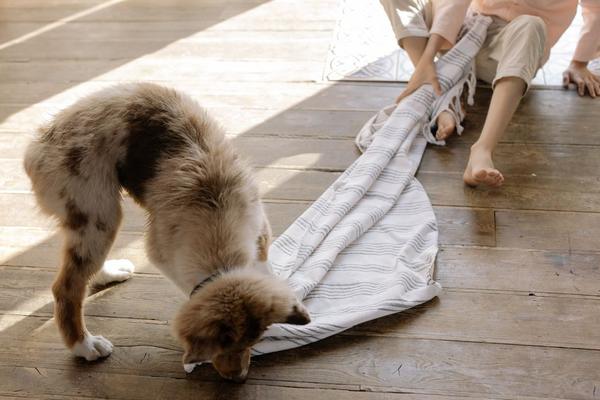
If your Instagram or TikTok feed has been full of dogs sniffing out treats from muffin tins or “working” for their dinner out of a snuffle mat, you’re not imagining things. Dog enrichment has exploded as one of the biggest pet trends heading into 2026, and for good reason. More owners are realizing that a tired dog isn’t just a well-exercised dog, it’s a mentally satisfied one. The good news? You don’t need fancy equipment or a training budget to get started. Most of these dog enrichment activities use things you already have at home, and they can turn a bored, restless pup into a calm, content one in a matter of minutes.
Below are 20 practical, low-cost ways to build mental stimulation for dogs into your everyday routine, no dog walker or expensive course required.
Why Dog Enrichment Matters
Physical exercise wears out a dog’s legs, but enrichment wears out their brain, and often that’s the piece missing from a dog’s routine. Dogs are natural problem-solvers, foragers, and sniffers. When those instincts aren’t given an outlet, they tend to show up as chewing, barking, digging, or general restlessness. A well-rounded enrichment routine taps into a dog’s senses and natural behaviors, which can lead to better focus, less destructive behavior, and a noticeably calmer dog by the end of the day.
Feeding-Based Enrichment Activities
Mealtime is one of the easiest places to sneak in enrichment, since your dog is already motivated by food.
1. Puzzle Feeders
Puzzle feeders are the poster child of dog enrichment for a reason. Instead of gulping down a bowl of kibble in ten seconds, your dog has to nudge, paw, or slide compartments to access the food. This slows down eating and keeps their brain engaged the whole time.
2. Frozen Kong Toys
Stuff a Kong with peanut butter, wet food, or plain yogurt and freeze it overnight. The licking and chewing required to empty it out is both soothing and mentally tiring, making it a great option before you leave for work.
3. Muffin Tin Game
Drop treats into the cups of a muffin tin and cover each one with a tennis ball. Your dog has to figure out which balls to move to get the reward underneath, a simple DIY puzzle that costs nothing extra.
4. Snuffle Mats
A snuffle mat mimics grass and hides kibble or treats in its fabric strips, encouraging your dog to use their nose instead of their eyes to find food. It’s especially useful for dogs who eat too fast.
5. DIY Cardboard Box Puzzles
Layer treats inside a few cardboard boxes of different sizes, nested or side by side. Letting your dog rip into cardboard (safely supervised) is oddly satisfying for them and costs absolutely nothing.
Scent Games for Dogs
A dog’s nose is thousands of times more sensitive than ours, and scent work taps directly into that superpower.
6. The Classic “Find It” Game
Hide a few treats around one room while your dog waits in another, then release them to go find the treats. This is one of the simplest scent games for dogs and works for puppies and seniors alike.
7. Cup Shuffle
Place a treat under one of three cups, shuffle them slowly, and let your dog use their nose to pick the right one. It’s a fun way to combine scent tracking with a bit of impulse control.
8. Scented Towel Search
Rub a towel on a treat or a favorite toy, hide it around the house, and encourage your dog to track down the scent. This builds real tracking skills in a low-pressure environment.
9. Herb Garden Sniff Station
Set out a shallow tray with dog-safe herbs like basil, parsley, or mint for your dog to sniff and explore. New scents are novel and exciting, even without any food involved.
Physical and Sensory Enrichment
Not all enrichment needs to involve food. Movement and texture matter too.
10. Obstacle Course with Household Items
Use couch cushions, chairs, and broom handles to build a simple obstacle course in your living room. Weaving, jumping, and climbing challenge both body and mind.
11. Texture Walks
Let your dog walk across different textures indoors, like bubble wrap, a yoga mat, or a pile of soft towels. New sensations under their paws can be surprisingly stimulating.
12. Bubble Chasing
Dog-safe bubble solution (avoid anything with xylitol) turns a few minutes in the yard into a game of chase, jump, and pop. Most dogs find it irresistible.
13. Water Play in a Shallow Bin
Float a few toys in a shallow tub of water for dogs who enjoy splashing. It’s especially good for hot days and water-loving breeds.
Training and Brain Games
Short training sessions double as enrichment because they demand focus and problem-solving.
14. Teach a New Trick
Ten minutes of teaching “spin,” “shake,” or “play dead” is enough to tire out a dog’s brain the way a long walk tires out their legs.
15. Name That Toy
Teach your dog the names of two or three toys, then ask them to retrieve a specific one. Dogs are capable of learning surprisingly large vocabularies with consistent practice.
16. Impulse Control Games
Practice “leave it” or “wait” with treats or toys to build patience and focus. These games are quick, require no equipment, and reinforce good manners at the same time.
17. Tug of War with Rules
A structured game of tug, where your dog releases on command, builds both engagement and self-control rather than just burning energy.
Social and Rotational Enrichment
Sometimes the simplest changes make the biggest difference.
18. Toy Rotation
Instead of leaving every toy out all the time, rotate a small selection every few days. Toys that disappear and reappear feel new again, which keeps your dog’s interest high without buying anything new.
19. Window Watching Station
Set up a comfortable perch near a window with a good view of the street or yard. Watching people, birds, or other animals go by offers passive but genuine mental stimulation for dogs.
20. Doggy Playdates
If your dog is social, arranging a supervised playdate with a familiar dog offers physical exercise plus the mental engagement of reading another dog’s body language and cues.
How to Build a Simple Enrichment Routine
You don’t need to do all 20 activities every day. A good rule of thumb is to rotate two or three activities daily, mixing a feeding-based game with a scent game or a short training session. This keeps things varied enough that your dog stays engaged rather than bored of the same routine, and it keeps enrichment manageable for you as an owner too.
Frequently Asked Questions
How often should I do enrichment activities with my dog?
Most dogs benefit from some form of enrichment daily, even if it’s just a five-minute puzzle feeder session or a quick round of “find it.” Consistency matters more than duration.
Can puppies do these enrichment activities too?
Yes, most of these activities can be adapted for puppies, though sessions should be shorter and supervised closely, especially anything involving chewing or small parts.
What’s the easiest enrichment activity to start with?
Puzzle feeders and the “find it” scent game are usually the easiest starting points since they require minimal setup and most dogs pick them up almost instantly.
Is mental enrichment really as important as physical exercise?
Yes. A dog that gets plenty of walks but no mental stimulation can still seem restless or destructive. Combining both physical and mental activity tends to produce the calmest, most balanced dogs.
Final Thoughts
Dog enrichment doesn’t have to mean expensive toys or a Pinterest-perfect setup. Most of these dog enrichment activities use items already sitting in your kitchen or closet, and the payoff, a calmer, happier, more mentally satisfied dog, is well worth the small effort. Start with one or two activities this week, see what your dog responds to best, and build your own rotation from there.