
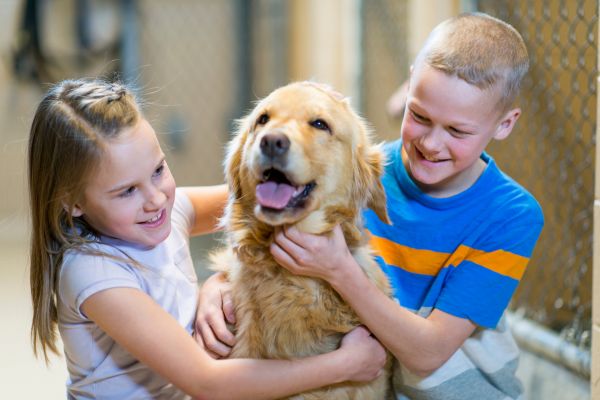
Walk into any animal shelter or scroll through adoption posts online, and you’ll quickly notice a pattern. Alongside hopeful photos and heartfelt stories, there’s a thick fog of assumptions about what adoption really means. Some of these ideas sound harmless. Others quietly stop people from ever considering adoption at all.
This is why conversations around pet adoption myths debunked matter more than ever. Not because adoption needs selling, but because misinformation has a way of shaping decisions without us even realizing it. When we separate fact from fiction, adoption becomes less intimidating, more human, and far more realistic.
Let’s take a closer look at the most common myths surrounding pet adoption—and what’s actually true once you scratch the surface.
The Myth That Shelter Pets Are “Damaged” or Broken
One of the most persistent myths is that animals in shelters are there because something is wrong with them. The word “shelter” itself sometimes carries an unfair emotional weight, as if it’s a last stop for pets with behavioral issues or bad histories.
In reality, animals end up in shelters for deeply human reasons. People move. Landlords change rules. Financial situations collapse. Illness, divorce, or even death can leave pets with nowhere to go. None of this reflects on the animal’s temperament or potential as a companion.
Many shelter pets were once beloved family animals. They know how to live in a home, walk on a leash, or curl up on the couch. The idea that they’re broken often says more about our fears than about the animals themselves.
The Belief That You Can’t Find Puppies or Kittens Through Adoption
Another common misunderstanding is that adoption only offers adult or senior pets. People looking for puppies or kittens often assume shelters won’t have what they’re looking for.
While it’s true that adult animals make up a large portion of shelter populations, puppies and kittens arrive regularly—especially during breeding seasons. Litters from accidental pregnancies, rescued strays, and surrendered young animals are far from rare.
Even when puppies aren’t immediately available, many shelters work closely with foster networks that raise young animals in home environments. Adoption doesn’t limit choice; it simply requires a bit more patience and flexibility.
The Idea That Adoption Is More Complicated Than Buying
Some people avoid adoption because they believe the process is overly strict or exhausting. Applications, interviews, home checks—it can sound like a lot compared to picking a pet from a store or online listing.
In practice, adoption processes exist to protect both the animal and the person adopting. Most shelters aim for clarity, not gatekeeping. They want matches that work long-term, not rushed decisions that lead to returns.
Buying a pet can look simple on the surface, but it often comes with hidden complications: unregulated breeding, lack of medical records, or future health issues. Adoption may ask for a little time upfront, but it often saves emotional and financial strain later.
The Assumption That Shelter Pets Have Health Problems
Health concerns are another major barrier. There’s a widespread belief that adopted pets are more likely to be sick, genetically unsound, or expensive to care for.
In reality, most shelters provide basic veterinary care before adoption. This often includes vaccinations, spaying or neutering, parasite treatment, and health assessments. In many cases, adopters receive more medical transparency than they would through private sales.
No animal comes with a lifetime guarantee—whether adopted or purchased. What adoption does offer is honesty. Known conditions are usually disclosed, and adopters can make informed decisions instead of discovering issues later.
The Myth That You Can’t Adopt Specific Breeds
Many people believe shelters are filled exclusively with mixed-breed animals. While mixed breeds are common and wonderful, purebred animals absolutely exist in shelters.
Dogs and cats of specific breeds end up in shelters for the same reasons any other pet does. Popular breeds are often surrendered due to unrealistic expectations about energy levels, grooming needs, or lifestyle compatibility.
Breed-specific rescue organizations also work alongside shelters, offering options for those set on a particular type of pet. Adoption doesn’t eliminate preference—it broadens perspective.
The Fear That Adult Pets Can’t Bond or Be Trained
There’s a stubborn belief that adult animals won’t bond deeply or adapt to new environments. Puppies and kittens are often seen as blank slates, while older pets are assumed to be set in their ways.
In truth, adult pets often bond faster and more deeply because they’ve already experienced loss or change. Many seem to understand, in a quiet way, that they’ve been given another chance.
Training adult animals is not only possible—it’s often easier. They have longer attention spans, established routines, and calmer energy. Age doesn’t reduce emotional capacity; if anything, it refines it.
The Misconception That Adoption Is Only for “Animal People”
Some believe adoption is best left to highly experienced pet owners or people with lots of time and resources. First-time pet parents sometimes assume they’re not “qualified” to adopt.
Shelters work with adopters at all experience levels. In fact, many prefer honest beginners who are open to learning over confident owners with unrealistic expectations.
Adoption is not about perfection. It’s about willingness—to listen, to adapt, and to build a relationship over time. No one starts as an expert. Every good pet owner becomes one by experience.
The Thought That Adoption Doesn’t Make a Real Difference
A quieter myth suggests that individual adoptions don’t really matter. With so many animals in need, it can feel like a drop in the ocean.
But adoption is deeply personal. One adoption changes one entire life. It also creates space in shelters, supports ethical animal welfare practices, and shifts cultural attitudes away from disposable pet ownership.
When people see friends, family, or neighbors adopt and thrive, it normalizes adoption. It replaces fear with familiarity. That ripple effect is real, even if it’s not immediately visible.
Why Pet Adoption Myths Persist
Misinformation often sticks because it’s inherited. People repeat what they’ve heard, not what they’ve experienced. Movies, outdated stereotypes, and dramatic rescue stories can unintentionally reinforce false ideas.
The truth is quieter and less sensational. It lives in everyday moments—shared walks, slow trust-building, small victories. These stories don’t always go viral, but they shape real lives.
Debunking these myths isn’t about proving anyone wrong. It’s about making room for more honest conversations around what adoption truly looks like.
A More Grounded Way to Think About Adoption
At its core, adoption isn’t an act of charity or heroism. It’s a relationship built on mutual adjustment. Pets don’t arrive perfect, and neither do people.
When we move past myths, adoption becomes less intimidating and more realistic. It’s no longer framed as a sacrifice, but as a choice rooted in understanding and openness.
Not every adoption story is effortless. But many are deeply rewarding in ways that don’t show up on paper. They grow slowly, unevenly, and honestly—much like any meaningful connection.
A Reflective Conclusion on Pet Adoption Myths Debunked
When you step back and examine the assumptions surrounding adoption, a pattern emerges. Most fears aren’t based on facts, but on distance—distance from shelters, from firsthand stories, and from lived experience.
Exploring pet adoption myths debunked isn’t about convincing everyone to adopt. It’s about clearing the noise so people can make informed decisions without unnecessary fear. Adoption isn’t right for everyone, and that’s okay. But it deserves to be understood clearly, not clouded by outdated beliefs.
At its best, adoption is simple. One life meets another at the right moment, and both change—quietly, imperfectly, and for the better.