
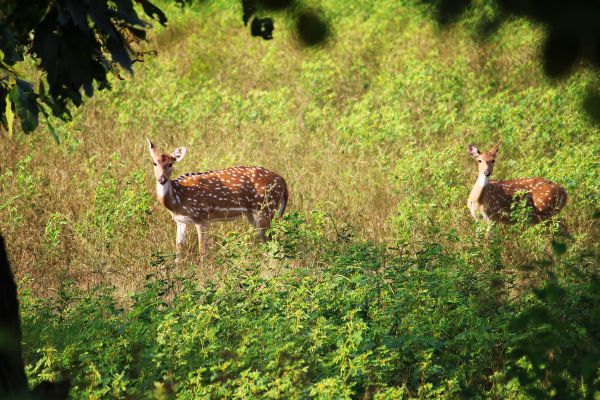
The Gear Behind a Good Wildlife Photograph
Wildlife photography looks effortless when you see the final image. A bird frozen mid-flight, a fox stepping through morning mist, a lion resting in golden light, or a deer turning its head for one brief second. What the viewer does not see is the waiting, the silence, the awkward body position, the cold hands, the missed shots, and the careful choice of equipment that made the moment possible.
Wildlife photography gear matters because animals do not pose, repeat movements, or wait for perfect lighting. They move quickly, hide easily, and often keep their distance from people. The right gear does not guarantee a beautiful photograph, but it gives a photographer a better chance when nature offers a rare opportunity.
Still, gear should never replace patience, field knowledge, and respect for wildlife. A skilled photographer with modest equipment can often create stronger images than someone carrying the most expensive camera without understanding animal behavior. The best setup is the one that supports the photographer’s eye without getting in the way of the experience.
Choosing a Camera Body for Wildlife Work
A good camera body for wildlife photography should be fast, reliable, and comfortable to handle for long periods. Wildlife often gives only a few seconds to react, so autofocus performance and burst speed are important. Birds in flight, running mammals, and sudden movements all require a camera that can focus quickly and keep up with action.
Many wildlife photographers prefer mirrorless or DSLR cameras with strong autofocus systems. A camera that tracks eyes, animals, or moving subjects can be helpful, especially for birds and mammals. But even without the latest technology, a camera with responsive focus, good image quality, and decent performance in low light can still produce excellent results.
Sensor size is another consideration. Full-frame cameras usually perform well in low light and offer strong image quality, while crop-sensor cameras provide extra apparent reach, which can be useful when photographing distant animals. Neither choice is automatically better. It depends on the photographer’s budget, shooting style, and the kind of wildlife they photograph most often.
Why Lenses Matter So Much
If the camera is the brain of the setup, the lens is the eye. In wildlife photography, lenses often matter more than the camera body because distance is such a constant challenge. Most wild animals will not allow humans to come close, and they should not be forced to.
Telephoto lenses are the standard choice for wildlife. A lens in the 300mm to 600mm range is common because it allows photographers to capture animals from a respectful distance. For birds, small mammals, and shy species, longer focal lengths are especially useful.
Prime telephoto lenses can offer excellent sharpness and wider apertures, but they are usually expensive and less flexible. Zoom lenses, such as those covering ranges like 100–400mm, 150–600mm, or similar, are popular because they allow photographers to adjust framing quickly. In the field, this flexibility can be valuable. An animal may move closer, step back, or change position in seconds.
A good wildlife lens should also have effective image stabilization, especially when shooting handheld. Long lenses magnify even small movements, so stabilization helps keep images sharper. It is not magic, but it can make a real difference during long walks or low-light conditions.
The Importance of Fast and Accurate Autofocus
Wildlife rarely moves in a straight, predictable way. Birds cut across the sky. Monkeys leap through branches. Deer flick their heads. A predator may sit still for half an hour and then move suddenly. In these moments, autofocus can make or break the shot.
The best wildlife photography gear often includes a camera and lens combination that focuses quickly and locks onto subjects with confidence. Continuous autofocus modes are useful for moving animals, while focus tracking helps keep the subject sharp as it moves through the frame.
However, autofocus still needs human guidance. Photographers must learn how their camera responds, which focus areas work best, and when to switch between modes. It takes practice. Many missed wildlife shots are not caused by bad equipment but by unfamiliarity with the equipment.
Knowing your gear well is often more valuable than constantly upgrading it.
Tripods, Monopods, and Field Stability
Long lenses can become heavy very quickly. Holding one for a few minutes may feel easy. Holding it for hours while waiting for a bird or animal to appear is another matter. This is where support gear becomes important.
A sturdy tripod is useful for long observation sessions, low-light photography, and situations where the photographer stays in one place. For heavy lenses, a strong tripod head, especially a gimbal head, can make movement smoother and reduce strain. This is common among bird and safari photographers who spend long periods tracking subjects.
A monopod offers a lighter, more mobile option. It provides support without the bulk of a tripod, making it useful for walking trails, sports-like wildlife action, or situations where the photographer needs to move often.
Some photographers prefer shooting handheld because it gives freedom and speed. There is no single correct choice. The best support system depends on location, subject, weight, and personal comfort.
Camera Bags Made for the Outdoors
Wildlife photography often means carrying gear through forests, wetlands, mountains, fields, or dusty tracks. A normal camera bag may be fine for casual use, but outdoor work needs something more practical.
A good wildlife camera bag should protect equipment from bumps, moisture, and dust. It should also be comfortable enough for long walks. Padded straps, a supportive waist belt, weather-resistant material, and quick access compartments can make a big difference.
The bag should not be overloaded. Many beginners carry too much, thinking every item might be needed. After a few hours, that extra weight becomes tiring. A better approach is to carry what fits the location and likely subjects. Wildlife photography rewards preparation, but it also rewards mobility.
Clothing and Personal Field Comfort
Wildlife photography gear is not only about cameras and lenses. Clothing matters too. The photographer is part of the field setup. If you are cold, wet, overheated, or uncomfortable, your patience will disappear quickly.
Neutral-colored clothing helps photographers blend into natural surroundings. Bright colors and sudden movement can scare animals away. Comfortable shoes are essential, especially when walking through uneven ground. In colder places, layered clothing helps manage changing temperatures. In hot climates, breathable fabric, sun protection, and enough water are just as important.
Rain protection is also worth considering. A waterproof jacket, hat, and simple camera rain cover can save a shoot when weather changes unexpectedly. Some of the best wildlife moments happen in imperfect weather, when light, mood, and animal behavior become more interesting.
Memory Cards, Batteries, and Small Essentials
Wildlife photography can use storage quickly. Burst shooting, high-resolution files, and long sessions mean memory cards fill up faster than expected. Reliable, fast memory cards are important because slow cards can limit continuous shooting or delay saving images.
Extra batteries are just as necessary. Cold weather drains batteries faster, and long days in the field may not offer charging options. Carrying fully charged spares prevents frustration when a rare moment appears near the end of the day.
Other small items can be surprisingly useful. A lens cloth, air blower, rain cover, small flashlight, power bank, notebook, and basic first-aid items can all help. None of these items feel exciting, but in the field, practical details matter.
A beautiful wildlife photograph often depends on boring preparation.
Binoculars and Observation Tools
Many photographers overlook binoculars, but they are extremely useful. Constantly using a heavy camera and long lens to scan distant trees or hills can become tiring. Binoculars make it easier to observe animals before deciding whether to photograph them.
Observation is a major part of wildlife photography. Watching how an animal moves, feeds, rests, or reacts to sound helps the photographer predict behavior. This leads to better timing and more natural images.
Field guides and mobile identification apps can also help photographers learn about species. The more you know about an animal, the better your photographs usually become. Gear captures the image, but knowledge shapes the moment.
Camouflage, Blinds, and Ethical Distance
Some wildlife photographers use camouflage clothing, hides, or portable blinds to get closer without disturbing animals. These tools can be useful, especially for birds and shy mammals. A blind allows the photographer to sit quietly while animals behave naturally nearby.
But ethical distance is more important than getting a close-up. No photograph is worth stressing an animal, disturbing a nest, blocking a path, or changing natural behavior. This is especially true during breeding seasons, migration, and feeding times.
The best wildlife photography gear should help photographers observe without interfering. A longer lens, quiet movement, and patience are better than pushing too close. Respect is part of the craft.
Balancing Budget With Real Needs
Wildlife photography can become expensive, but beginners do not need to buy everything at once. A capable camera, a decent telephoto lens, extra batteries, memory cards, and a comfortable bag are enough to start. Over time, photographers learn what they truly need.
It is easy to feel that better gear will instantly improve images. Sometimes it helps, especially when photographing fast action or distant subjects. But the biggest improvements often come from learning light, animal behavior, composition, and timing.
Before upgrading, it helps to ask what problem the new gear will solve. Is the current lens too short? Is autofocus missing too often? Is the camera struggling in low light? Is the setup too heavy to carry? Clear answers lead to better choices.
Conclusion: Gear Helps, but Patience Creates the Image
Wildlife photography gear plays an important role in capturing animals clearly, safely, and respectfully. A reliable camera, suitable lens, stable support, practical clothing, and field-ready accessories all make the work smoother. They help photographers respond when a brief, beautiful moment appears.
But gear is only part of the story. Wildlife photography is built on patience, observation, and respect for nature. It asks photographers to slow down, listen, wait, and accept that many days will end without the image they imagined.
The best gear for wildlife photography is not always the most expensive setup. It is the equipment that lets you stay present in the wild, ready for the unexpected, while keeping enough distance for animals to remain truly wild.