
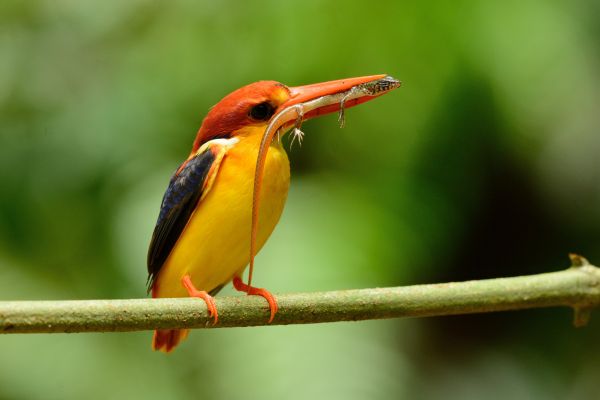
There’s something quietly mesmerizing about watching an exotic bird eat. Whether it’s the deliberate cracking of a seed, the curious nibble at a slice of fruit, or the enthusiastic shredding of leafy greens, feeding time reveals more than just appetite—it reflects instinct, health, and personality. Understanding exotic bird diet and nutrition isn’t simply about filling a bowl; it’s about recreating a balanced, species-appropriate menu that supports longevity and vitality.
Many bird owners discover, sometimes too late, that feeding an exotic bird isn’t as straightforward as offering seeds. In fact, nutrition is one of the most misunderstood aspects of bird care. Getting it right requires a mix of observation, knowledge, and a willingness to adapt.
Understanding Natural Feeding Behaviors
In the wild, exotic birds rarely rely on a single food source. Their diets are diverse, seasonal, and often unpredictable. Parrots, for example, may forage for fruits, seeds, nuts, flowers, and even insects depending on what’s available. This natural variation plays a crucial role in their overall health.
When birds are brought into domestic settings, that diversity often disappears. A monotonous diet—especially one based heavily on seeds—can lead to nutritional deficiencies over time. Recreating a more natural feeding pattern is essential. It doesn’t have to be complicated, but it should reflect variety and balance.
Observing how your bird interacts with food can also be revealing. Some birds prefer to forage, others like to hold and manipulate their food, and a few are surprisingly picky. These behaviors aren’t random; they’re deeply tied to instinct.
The Foundation of a Balanced Diet
A well-rounded approach to exotic bird diet and nutrition starts with understanding the key components that make up a healthy daily intake. Pellets, fresh produce, and limited seeds often form the backbone of a balanced feeding plan.
Pellets are designed to provide complete nutrition in a single form, making them a reliable base. However, they shouldn’t be the only thing offered. Birds benefit from variety not just nutritionally but mentally as well. Fresh fruits and vegetables introduce essential vitamins, minerals, and textures that pellets alone can’t replicate.
Seeds, while often beloved by birds, should be offered in moderation. They are high in fat and can quickly lead to obesity if overfed. Think of them as a treat rather than a staple.
The key is balance. Too much of one component can disrupt the entire nutritional profile.
The Role of Fresh Fruits and Vegetables
Fresh produce is where exotic bird diet and nutrition truly come alive. Brightly colored fruits and leafy greens aren’t just visually appealing—they’re packed with nutrients that support immune function, feather health, and overall well-being.
Leafy greens like spinach, kale, and lettuce are excellent choices, though they should be rotated to avoid overconsumption of any one type. Vegetables such as carrots, bell peppers, and broccoli add both crunch and nutritional diversity.
Fruits, while beneficial, should be offered in moderation due to their natural sugar content. Apples, berries, mangoes, and papayas are popular options, but it’s important to remove seeds and pits from certain fruits, as they can be harmful.
Interestingly, many birds need time to accept fresh foods. A bird that has been raised on seeds may initially ignore vegetables altogether. Patience helps. Sometimes it takes repeated exposure before curiosity wins.
Protein and Specialized Nutritional Needs
Protein plays a subtle but important role in exotic bird diet and nutrition. While not required in large amounts for most species, it becomes particularly important during molting, breeding, or growth phases.
Sources of protein can include cooked eggs, legumes, and certain grains. Some birds also benefit from occasional access to insects, depending on their species. The idea isn’t to overdo it but to supplement when needed.
Different species also have unique dietary requirements. A nectar-feeding bird like a lorikeet, for example, has completely different needs compared to a seed-eating parrot. Understanding these distinctions is crucial. A one-size-fits-all approach rarely works well in bird nutrition.
Hydration and Clean Water Practices
Water is often overlooked in discussions about exotic bird diet and nutrition, yet it’s just as critical as food. Birds need constant access to clean, fresh water. Even a slight contamination can discourage drinking or lead to illness.
Water dishes should be cleaned daily, sometimes more than once depending on how messy the bird is. Some birds enjoy dipping food into their water, which can quickly turn it cloudy. It might seem like a small detail, but consistent hygiene plays a major role in maintaining health.
In warmer climates or during particularly active periods, birds may drink more frequently. Observing changes in water consumption can also provide early clues about health issues.
Common Feeding Mistakes to Avoid
Even well-meaning bird owners can fall into habits that compromise nutrition. One of the most common mistakes is relying too heavily on seeds. While birds may appear happy with a seed-only diet, the long-term effects can be harmful.
Another frequent issue is offering inappropriate human foods. Salty snacks, sugary treats, and processed items are not suitable for birds. Even foods that seem harmless can pose risks if they contain additives or preservatives.
There’s also the tendency to overfeed. Birds don’t always regulate their intake the way we expect. Monitoring portion sizes and adjusting based on activity levels can help prevent weight-related problems.
Sometimes, the problem isn’t what’s offered but how it’s presented. Food left in a dish for too long can spoil, especially fresh produce. Regularly refreshing meals ensures both safety and appeal.
Encouraging Healthy Eating Habits
Getting a bird to eat a balanced diet can feel like a small negotiation. Some birds are adventurous, while others are stubbornly attached to familiar foods. The transition to a healthier diet often requires creativity.
Mixing new foods with familiar favorites can help ease the change. Presentation also matters. Hanging vegetables, chopping them into different sizes, or even mimicking foraging conditions can make a big difference.
Birds are naturally curious, and sometimes they just need a reason to explore. Eating alongside them or pretending to enjoy the same food can spark interest. It may sound odd, but birds are social learners.
Consistency is key. Offering a variety of foods regularly, even if they’re initially ignored, increases the chances of acceptance over time.
Seasonal and Environmental Influences
Exotic bird diet and nutrition can also shift with the seasons. In the wild, food availability changes throughout the year, and birds adapt accordingly. While domestic birds don’t face the same limitations, introducing seasonal variety can still be beneficial.
Warmer months might call for more hydrating foods like fruits, while cooler periods may encourage slightly richer options. Environmental factors such as lighting, temperature, and activity levels also influence appetite.
Paying attention to these subtle shifts helps create a more responsive feeding routine. It’s less about strict rules and more about thoughtful adjustments.
Reading the Signs of Good Nutrition
A healthy bird often shows it in ways that are easy to overlook. Bright eyes, smooth feathers, and steady energy levels are all indicators of proper nutrition. On the other hand, dull plumage, lethargy, or changes in droppings can signal dietary issues.
Weight management is another important aspect. Regularly monitoring your bird’s weight, even casually, can help catch problems early. Sudden changes should never be ignored.
Behavior can also offer clues. A well-nourished bird is typically more active, curious, and engaged. Nutrition doesn’t just affect physical health—it shapes mood and interaction as well.
Conclusion: Building a Thoughtful Feeding Routine
Understanding exotic bird diet and nutrition is less about rigid formulas and more about mindful care. Each bird is an individual, shaped by its species, history, and environment. What works for one may not work for another.
The goal isn’t perfection but balance. A varied diet, clean water, and attention to subtle changes can go a long way in supporting a bird’s health. Over time, feeding becomes more than a routine—it becomes a way of connecting, observing, and responding.
And perhaps that’s the most rewarding part. In learning how to nourish them properly, we begin to understand them more deeply.