
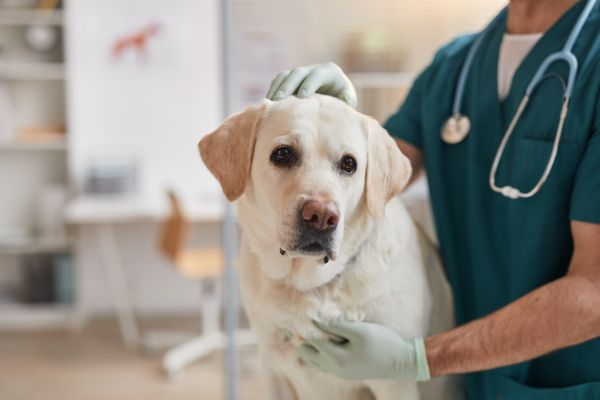
Bringing a pet into your home changes the rhythm of everyday life. Meals get shared glances from hopeful eyes, walks become small adventures, and quiet evenings often include a furry companion curled beside you. Along with that joy comes responsibility, especially when it comes to health care. Veterinary medicine has advanced tremendously over the past decade, but those advances often come with rising costs. For many pet owners, this reality leads to an important question: how do you protect your pet’s health without facing unexpected financial strain?
This is where the idea of choosing the right pet insurance enters the conversation. Pet insurance can help cover unexpected medical expenses, but not every policy is created equally. Understanding how these plans work—and how they differ—can make the decision far less confusing.
Why Pet Insurance Has Become More Common
Veterinary care today is more sophisticated than ever. Procedures such as MRI scans, specialized surgeries, and advanced diagnostics are increasingly common in animal hospitals. While these treatments can dramatically improve outcomes for pets, they also increase the cost of care.
For many families, pet insurance acts as a financial safety net. Instead of making medical decisions based purely on budget limitations, insurance can provide flexibility when an emergency occurs. It doesn’t eliminate veterinary bills, but it can soften the financial impact when the unexpected happens.
The growing popularity of pet insurance reflects a broader shift in how people view their animals. Pets are no longer simply household companions—they are family members. That emotional bond often encourages owners to explore options that protect their pet’s health over the long term.
Understanding What Pet Insurance Actually Covers
Before choosing the right pet insurance plan, it helps to understand what these policies typically include. Most plans focus on unexpected medical issues such as accidents and illnesses. This might involve treatment for broken bones, infections, chronic diseases, or surgical procedures.
However, coverage details can vary widely between providers. Some policies focus strictly on emergencies, while others include more comprehensive care. In certain cases, plans may offer optional add-ons that extend coverage to routine services like vaccinations, wellness exams, or dental cleanings.
Another important detail involves pre-existing conditions. Most insurers do not cover health issues that existed before the policy began. This means enrolling a pet earlier in life can often provide broader protection compared to waiting until a health problem appears.
Understanding these coverage boundaries helps set realistic expectations. Pet insurance is not designed to replace every veterinary expense, but rather to provide support during major medical events.
The Importance of Reading the Fine Print
Insurance documents are not always the most exciting reading material, yet they play a crucial role in avoiding misunderstandings later. Policy language often contains specific details about waiting periods, reimbursement percentages, and annual limits.
Waiting periods are particularly important. Many plans require a certain number of days after enrollment before coverage begins. Accident coverage might activate quickly, while illness coverage could require a longer wait.
Reimbursement structures also vary. Some policies cover a percentage of the veterinary bill after a deductible is met. Others may use a benefit schedule that lists specific payout limits for certain procedures.
Taking time to read these details may feel tedious, but it often prevents confusion when submitting a claim. A clear understanding of the policy makes choosing the right pet insurance far more effective.
Deductibles, Premiums, and the Balance Between Them
Like most forms of insurance, pet insurance involves a trade-off between monthly premiums and deductibles. Premiums are the regular payments required to keep the policy active, while deductibles represent the amount you pay before coverage begins.
Plans with lower monthly premiums often come with higher deductibles. Conversely, policies with higher premiums may reduce out-of-pocket costs when a claim is filed.
The best balance depends on personal circumstances. Some pet owners prefer predictable monthly expenses, even if the premium is higher. Others choose lower premiums and accept the possibility of paying more if a medical event occurs.
When considering these options, it helps to think about long-term affordability rather than focusing only on the immediate monthly cost.
Breed, Age, and Health History Matter
Not all pets carry the same insurance profile. Certain breeds are known for specific health conditions, which can influence policy pricing or eligibility. Large dog breeds, for example, may face joint-related issues, while some cats are prone to hereditary conditions.
Age is another factor. Younger pets generally qualify for lower premiums and broader coverage options. As animals grow older, insurance plans may become more expensive or limited.
Health history also plays a role. If a pet has already been treated for certain conditions, those issues might be excluded from future coverage.
These variables highlight why many veterinarians suggest exploring insurance early in a pet’s life. Starting sooner often provides the most comprehensive protection.
Comparing Plans Without Feeling Overwhelmed
One of the challenges of choosing the right pet insurance is the sheer number of available options. With different coverage structures, reimbursement rates, and deductibles, comparisons can quickly feel overwhelming.
A helpful approach is to focus on a few core factors rather than trying to analyze every detail simultaneously. Coverage scope, reimbursement percentage, deductible structure, and claim processing are often the most meaningful aspects to evaluate.
Customer experience also deserves attention. Some insurers offer digital claim submissions, mobile apps, and quick reimbursements, while others rely on slower processes.
Looking at these practical elements often reveals more about a plan’s usability than simply comparing monthly premiums.
The Role of Routine Care Coverage
Some insurance plans offer optional wellness coverage that includes routine veterinary visits. These additions may help offset the cost of annual checkups, vaccinations, and preventive care.
However, wellness coverage works differently from traditional insurance. Instead of protecting against rare, high-cost events, it spreads out predictable routine expenses over the year.
For some pet owners, the convenience of bundled preventive care feels worthwhile. Others prefer to handle routine veterinary costs separately while keeping insurance focused on emergencies.
Neither approach is inherently better. The decision largely depends on personal preferences and how one manages regular pet care expenses.
Thinking Long-Term About Pet Health
Choosing insurance is not only about the present moment. Pets can live well over a decade, and their health needs often change throughout that time. Puppies and kittens may face accidents or infections, while older animals are more likely to develop chronic conditions.
A policy that seems suitable today should ideally remain practical in the future. Some insurers increase premiums significantly as pets age, while others maintain more stable pricing structures.
Looking ahead to a pet’s full lifespan helps place insurance decisions into perspective. Instead of focusing solely on immediate coverage, it becomes easier to evaluate how the plan might function over many years.
When Pet Insurance Might Not Be the Right Fit
While pet insurance offers benefits, it is not automatically the best solution for every household. Some pet owners prefer setting aside savings specifically for veterinary care rather than paying monthly premiums.
Others may feel comfortable managing occasional medical expenses out of pocket, particularly if their pet is already older and insurance options are limited.
Understanding these alternatives is part of the broader conversation around choosing the right pet insurance. The goal is not simply to purchase a policy, but to find an approach that supports both the pet’s health and the owner’s financial comfort.
Making the Decision With Confidence
Navigating pet insurance options can feel complex at first glance, but the process becomes clearer with careful consideration. Evaluating coverage details, understanding reimbursement structures, and thinking about long-term affordability all contribute to making an informed decision.
Most importantly, the decision should reflect the unique needs of both the pet and the household. There is no universal plan that fits every situation, and that flexibility is part of what makes the process so personal.
Conclusion
Choosing the right pet insurance is ultimately about preparation. Pets bring immense joy, companionship, and emotional connection, but they also depend on their owners for care when illness or injury occurs. Insurance cannot prevent those moments, yet it can provide reassurance when difficult medical decisions arise.
By understanding how policies work, comparing coverage thoughtfully, and considering long-term needs, pet owners can approach the decision with clarity. The goal is not simply financial protection—it is the peace of mind that comes from knowing your companion can receive the care they deserve when it matters most.