
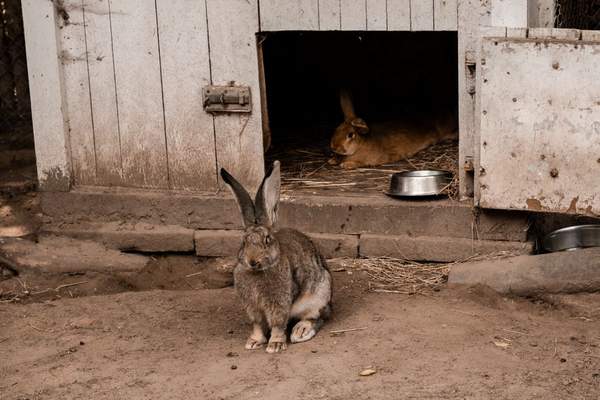
Choosing between an indoor and outdoor rabbit hutch is less about tradition and more about controlling risk. For a first-time rabbit owner in the United States, the biggest differences show up when weather changes, predators become active, or a rabbit suddenly stops eating. Indoors, those problems are usually easier to prevent or notice quickly. Outdoors, safe housing requires more attention to temperature, security, ventilation, and daily observation.
For most companion rabbits, an indoor setup is generally the safer everyday choice. An outdoor setup can work in some climates and households, but it needs more than a basic wooden hutch and wire door to provide comparable protection.
Why Indoor Housing Usually Has the Safety Advantage
Indoor housing gives you control over several risks at once. Your rabbit is protected from rain, direct sun, sudden cold snaps, most predators, and many biting insects. You are also more likely to notice subtle changes in appetite, droppings, posture, or activity because the rabbit is part of your daily routine.
A good indoor rabbit cage should not mean a tiny cage used as full-time living space. Think of it as a secure home base within a larger pen or rabbit-proofed area, with room to stand upright, stretch out, use a litter box, eat hay, and move around. Daily exercise and social interaction still matter.
Indoor living has hazards too. Electrical cords, houseplants, carpet fibers, reclining furniture, and access to other pets can cause problems. Effective rabbit-proofing your home means blocking dangerous areas and covering or moving cords rather than relying on supervision alone.
What Makes an Outdoor Rabbit Hutch Riskier?
An outdoor rabbit hutch has to protect an animal that cannot simply leave when conditions become unsafe. Heat, humidity, wind, storms, freezing conditions, predators, insects, and even a failed water bottle can become urgent problems quickly.
Predators Are More Than a Nighttime Concern
Dogs, raccoons, coyotes, foxes, cats, birds of prey, and other wildlife may investigate an outdoor enclosure. Some predators can pull at wire, dig under fencing, or manipulate weak latches. Even when they cannot enter, their presence can frighten a rabbit.
Serious rabbit predator proofing therefore requires a fully enclosed structure, secure roof, strong mesh, dig-resistant boundaries, and latches that cannot be nudged open. Thin chicken wire is not the same as a predator-resistant barrier.
Weather Changes the Equation Quickly
Rabbits are particularly sensitive to heat. Veterinary guidance warns that prolonged temperatures around 80°F and above can put rabbits at increased risk, especially when humidity is high or airflow is poor. Shade alone may not be enough during a hot American summer because shaded outdoor air can still be dangerously warm.
Cold can also create problems through wind exposure, damp bedding, frozen drinking water, and sudden temperature swings. Rabbit weather protection needs to address heat, cold, rain, direct sun, ventilation, and dryness rather than focusing on one season.
If your area regularly experiences heat waves, severe storms, deep freezes, or rapid temperature changes, have a practical plan for moving the rabbit into a safe indoor space before conditions become dangerous.
Indoor vs Outdoor Care in Real Life
Imagine a July afternoon when the forecast says 88°F, but a shaded backyard hutch feels comfortable in the morning. By mid-afternoon, the temperature rises, humidity builds, and air movement drops. The rabbit has nowhere cooler to go, and an owner away for several hours may not notice early heat stress.
Now picture the same rabbit indoors in a climate-controlled room. The owner can manage sunlight, airflow, water access, and room temperature more consistently. If the rabbit suddenly refuses hay or sits unusually still, the change is also more likely to be noticed promptly.
This is the practical difference that often matters most. Safety is not just the strength of the enclosure; it is how many variables you can control and how quickly you can recognize a problem.
When Can Outdoor Time Still Make Sense?
Outdoor time can be enriching when it is supervised and thoughtfully managed. A secure run can give a rabbit opportunities to smell fresh air, explore safe surfaces, and move through a different environment. However, outdoor exercise is not the same as leaving a rabbit in a hutch around the clock.
For safer outdoor sessions, use a roofed and enclosed run, provide constant shade and water, check the temperature before and during the session, remove toxic plants and lawn chemicals, and remain alert to predators. Bringing the rabbit back indoors before evening also reduces exposure to nocturnal wildlife.
For more habitat planning, useful related topics include rabbit-proofing your home, setting up a rabbit exercise pen, and summer rabbit care. Those subjects cover details that a simple indoor-versus-outdoor comparison cannot.
Which Setup Is Easier for a First-Time Owner?
Indoor housing usually simplifies everyday care because feeding, litter cleaning, social interaction, and health checks happen where you already spend time. You do not have to cross a yard during rain or cold weather, and you are less likely to miss a change in behavior because the rabbit is out of sight.
An outdoor setup demands more routine inspection. Owners should check locks, mesh, flooring, shade, bedding, water, signs of digging, insect activity, and weather conditions every day. Seasonal changes may also require moving or modifying the enclosure. That extra work leaves less margin for error.
FAQ
Is an indoor rabbit hutch always safer than an outdoor hutch?
Indoor housing is generally safer because it reduces exposure to predators, weather extremes, and many outdoor parasites while making daily observation easier. Indoor spaces still need proper rabbit-proofing and enough room for exercise.
Can rabbits live outside all year in the USA?
Conditions vary greatly across the country, so there is no single outdoor setup that is safe everywhere year-round. Heat, humidity, freezing weather, storms, and predators can all create seasonal risks. Many companion-rabbit welfare sources favor indoor living, particularly where weather extremes are common.
How do I make an outdoor rabbit hutch more predator-proof?
Use strong, small-opening mesh, a secure roof, protected flooring or dig barriers, and reliable latches. Inspect the enclosure regularly for bent wire, gaps, rot, or digging. Also have a plan to move the rabbit indoors during severe weather or increased predator activity.
Does an indoor rabbit still need a cage?
A rabbit needs a secure resting area, but it does not have to be a traditional small cage. Many owners use a roomy exercise pen or rabbit-proofed room with a litter box, hay, water, hiding places, and space to stretch and move.
Choosing the Safer Everyday Setup
For most first-time owners, indoor housing offers the strongest combination of predator protection, temperature control, close observation, and convenient daily care. An outdoor rabbit hutch can be made substantially safer, but doing so requires robust construction, careful weather management, and consistent hands-on monitoring.
If you are deciding where a new rabbit should live, start with the environment you can control most reliably every day of the year. In most U.S. homes, that points indoors, with secure outdoor time treated as optional enrichment rather than the rabbit’s only place to live.