
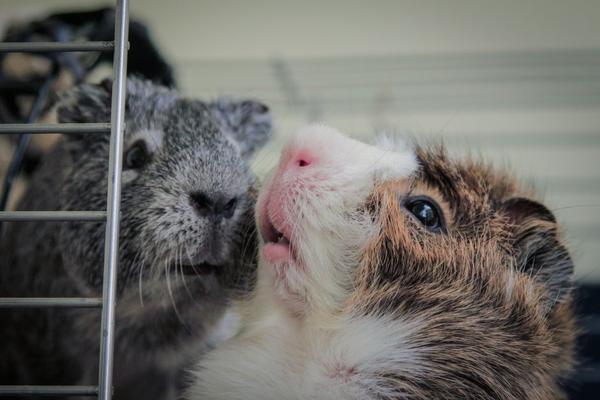
Bringing home a second guinea pig can be one of the best things you do for a lone cavy, but the first meeting should not happen by simply placing the newcomer into an established cage. Guinea pigs are social animals, yet they also form hierarchies and can be territorial about familiar spaces. A careful guinea pig bonding process gives them time to work out boundaries without turning a normal disagreement into a real fight.
The aim is not instant affection. It is to create a safe situation in which both guinea pigs can communicate, establish a social order and become comfortable sharing space. Some pairs settle quickly; others need more time and supervision.
Choose a Compatible Companion First
Personality matters as much as sex or age. Two females often live well together, as can compatible males. A neutered male can also live with one or more females, but intact males and females should not be housed together because pregnancy can occur. Rabbits are not suitable substitutes for guinea pig companionship because the species have different social signals, dietary needs and physical strengths.
If possible, use a reputable rescue that can help with matching. A calm guinea pig may pair well with a confident companion, while two very dominant animals can be harder to introduce. Bonding support can be especially useful when introducing adult males or after a previous pairing has failed.
Let the New Guinea Pig Settle and Check Their Health
Before introducing guinea pigs face to face, give the newcomer time to settle and make sure both animals appear healthy. Watch for reduced appetite, sneezing, discharge, diarrhoea, unusual scratching, lethargy or weight loss. If either guinea pig seems unwell, postpone bonding and speak with a vet.
Separate housing at first also gives each guinea pig a secure place to eat and rest. Bedding or safe items can be swapped between enclosures so each animal starts learning the other’s scent without the pressure of direct contact.
Use Neutral Territory for the First Proper Meeting
Neutral territory is one of the most important parts of a guinea pig bonding introduction guide. Choose a secure area that neither guinea pig normally uses, such as a freshly cleaned exercise pen. Avoid putting the newcomer directly into the resident guinea pig’s usual enclosure, where territorial behaviour may be stronger.
Make the area roomy and simple. Scatter hay in several places and provide small amounts of familiar vegetables. If you add tunnels or hides, use options with at least two exits so one guinea pig cannot trap the other. Keep a board, dustpan or folded towel nearby in case you need to separate a serious fight; putting bare hands between fighting guinea pigs can result in bites.
A Practical First-Meeting Example
Imagine bonding two adult females. Place both into the neutral pen at roughly the same time, with two loose piles of hay apart from each other. One may immediately sniff the other’s rear, rumble, circle or briefly chase. Instead of interrupting every tense moment, watch whether the second guinea pig can move away and whether both animals return to eating or exploring. If they do, the interaction may simply be part of establishing their relationship.
Know the Difference Between Dominance and a Fight
Guinea pig dominance behavior can look dramatic. Rumble-strutting, mounting, nose-to-nose posturing, following and short chases can occur while two guinea pigs establish a social order. Teeth chattering is a warning signal and deserves close attention, but it does not automatically mean the introduction has failed.
More concerning signs include repeated lunging, biting, one guinea pig relentlessly cornering the other, or a fast-moving fight in which the animals lock together and attempt to injure each other. If there is an actual fight, separate them safely with a barrier or towel and check both for wounds. Bite injuries can become infected, so contact a vet if skin has been broken.
Do not repeatedly separate a pair for every mount, rumble or brief chase. Constantly restarting introductions can prevent them from settling their hierarchy. Ask whether the interaction is escalating or whether both animals can still disengage, eat and explore.
Move Them Into a Shared Home Only When They Are Ready
Once the guinea pigs can spend an extended supervised period together without serious aggression, prepare their permanent enclosure. Clean it thoroughly so it smells as neutral as possible, rearrange the layout, and provide generous space. Competition is more likely when animals feel crowded.
Duplicate important resources. Give them more than one hay area, more than one water source and several resting places. Avoid single-entrance houses during the early stages because a lower-ranking guinea pig needs a way to leave if the other approaches. A guinea pig enclosure size guide is a useful related topic at this stage.
After they move in together, continue watching them closely. A newly bonded pair may still show mounting, rumbling or mild chasing. Look at the overall picture: both should be eating, resting and moving around normally. A guinea pig body language guide can help owners interpret quieter signs as well as obvious ones.
What Can Make Bonding Harder?
Introductions can be more difficult when the enclosure is cramped, resources are limited, one animal is ill or in pain, or the guinea pigs simply have incompatible personalities. Hormonal changes during adolescence can also affect relationships, particularly between males. Neutering a male is important for preventing breeding in mixed-sex groups, but it is not a guaranteed solution for fighting between males.
Food can help during bonding because scattered hay and vegetables encourage natural foraging, but avoid one prized food bowl that both animals must defend. A safe foods for guinea pigs guide is a natural next read once the pair has settled.
Frequently Asked Questions
How long does guinea pig bonding take?
There is no fixed timetable. Some compatible guinea pigs settle during one long supervised introduction, while others need a slower process. Focus on behaviour rather than the clock, and do not move them into one enclosure until serious aggression has stopped and both can relax around each other.
Should I separate guinea pigs if they are chasing?
Not automatically. Short chases can be part of normal dominance behaviour. Step in if chasing becomes relentless, one guinea pig cannot escape, biting occurs, or the interaction escalates into a real fight.
Can two male guinea pigs live together?
Yes, compatible males can live successfully together, especially when they have enough space and resources. Personality and pairing quality matter, and some adult males are more challenging to match than others.
Can I put a new guinea pig straight into the old guinea pig’s cage?
It is better to introduce them on neutral territory first. Once they are getting along, move them into a thoroughly cleaned, rearranged enclosure with enough food, water, hiding places and space for both.
A Calm Introduction Gives the Bond Room to Develop
Successful guinea pig bonding is less about forcing friendship and more about removing reasons for conflict. Start with healthy animals, use neutral territory, provide escape routes and plentiful resources, and learn which dominance behaviours are normal. With patience, many guinea pigs can establish a stable relationship and gain the companionship of their own species.