
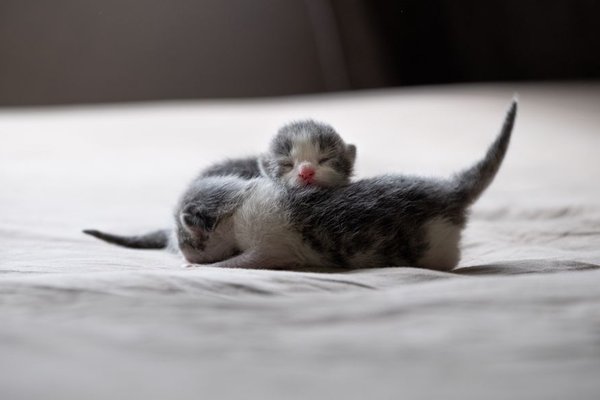
A kitten’s first weeks are a rapid sequence of changes, not one long stage. Eyes open, movement improves, play becomes more purposeful, and the brain is busy deciding what feels safe. Early socialization is therefore less about making a kitten “friendly” on command and more about giving it calm, positive experiences while development is moving fastest.
The most sensitive kitten socialization window is generally around two to seven or eight weeks of age. Many kittens are still with their mother and littermates for much of that period, so breeders, foster carers, and rescue staff often do the earliest work. If your kitten comes home at eight weeks or later, learning can still continue successfully with a gentle, gradual approach.
Why the First Few Weeks Matter So Much
During the early kitten development stages, new experiences can become part of the kitten’s definition of “normal.” Friendly people, household sounds, different floor textures, toys, carriers, grooming tools, and careful touch can all become familiar rather than alarming. Frightening or overwhelming experiences can also leave a strong impression.
Socialization should never mean forcing a kitten to tolerate something. Introduce one small challenge at a time, pair it with something pleasant, and stop while the kitten is still relaxed. Food, play, gentle stroking, and the freedom to move away all help.
A Developmental Approach to Kitten Socialization
Around Two to Three Weeks: Gentle Contact and Familiarity
At this age, kittens are only beginning to become more mobile and aware of their surroundings. Kitten handling should be brief, warm, and calm, especially if the mother cat is present. The goal is not prolonged cuddling, but safe exposure to human scent, touch, and voices.
Support the kitten securely and keep sessions to a few seconds at first. If the kitten cries, struggles strongly, or the mother becomes anxious, return the kitten and try again later. Several short positive sessions are better than one long session.
Around Three to Five Weeks: Add Variety Without Overload
As walking, play, curiosity, and sensory awareness improve, kittens can experience more normal household life. Calm exposure to different people, surfaces, objects, and low-level sounds works well here. Think variety rather than intensity.
A kitten might walk across carpet, a towel, and a smooth floor on different days. It might hear a washing machine from another room, meet a visitor who sits quietly on the floor, or investigate an open carrier with a soft blanket inside. These small experiences build confidence because the kitten controls the pace.
Around Five to Seven or Eight Weeks: Practice Everyday Life Skills
This stage is ideal for making routine care feel predictable. Gently touch the paws, briefly lift a lip, stroke around the ears, and introduce a soft brush. Reward calm behavior afterward. This type of kitten handling can make later nail trims, grooming, medication, and veterinary examinations less startling.
Household sounds can also become more realistic. Start at a distance or low volume and increase only when the kitten stays relaxed. Freezing, flattened ears, hiding, crouching, or trying to escape are signs the step was too difficult. Reduce the intensity rather than pushing through.
Socializing a Kitten After It Comes Home
One of the most useful new kitten tips is to avoid showing the kitten everything on the first day. A new home already contains unfamiliar smells, people, rooms, and sounds. Let the kitten establish a secure base first, then expand its world in manageable pieces.
Take the vacuum cleaner as a practical example. Instead of switching it on beside the kitten, let the kitten see the unplugged vacuum while playing or eating. On another day, run it briefly in a distant room. Bring the sound closer only if the kitten remains comfortable. Gradual exposure teaches safety more effectively than forced exposure.
The same principle applies to visitors. Ask people to sit quietly and let the kitten approach. A wand toy or small treat can create a positive association. Avoid passing the kitten from person to person, and make sure children know not to chase, squeeze, or hold it against its wishes.
What About Other Cats and Dogs?
Positive exposure to suitable animals can be valuable, but socialization is not a reason to rush introductions. Resident cats or dogs should be calm, healthy, and safe around kittens, and early interactions should be controlled and supervised. Because young kittens may not have completed their vaccination course, avoid casual contact with unknown animals or risky environments. Your veterinarian can advise you according to age, vaccination status, and local disease risk.
A separate guide on introducing a kitten to other pets can help with the step-by-step relationship process. Socialization builds positive familiarity; introductions manage how individual animals learn to share space.
How to Tell When a Kitten Needs a Break
Good socialization depends on observation. Relaxed kittens may approach voluntarily, play, eat, groom, explore, or settle soon after an experience. Worried kittens may retreat, crouch, stop taking treats, become unusually still, vocalize, hide, swat, or struggle to get away.
If you see those signs, make the situation easier. Increase distance, lower the sound, shorten the handling session, or return to a familiar activity. A shy kitten may need several tiny exposures before feeling comfortable. Progress is measured by how safely the kitten learns, not by how many experiences you fit into a day.
Keep Socialization Going Beyond the Sensitive Window
The early period is special, but it is not an expiration date. Kittens continue learning throughout kittenhood and adolescence. Keep reinforcing calm experiences with carriers, grooming, visitors, gentle examination, household sounds, and short journeys when appropriate.
Good socialization also works alongside everyday care. Kitten-proofing your home and establishing a healthy kitten feeding routine can help a young cat feel secure while it develops.
Frequently Asked Questions
What age is best for socializing a kitten?
The most sensitive period is generally around two to seven or eight weeks old. Kittens can still learn after that age, so continue with positive, gradual experiences throughout kittenhood.
How long should kitten handling sessions last?
Keep early sessions very short. Seconds may be enough for a very young or cautious kitten. Increase the length only when the kitten remains relaxed and willingly engages.
Can I socialize a shy kitten?
Yes, but move slowly and let the kitten control the distance. Use play, food, predictable routines, and quiet company instead of forced contact. If fear is severe or persistent, ask a veterinarian for advice and, when appropriate, a referral to a qualified feline behavior professional.
Should I expose my kitten to loud household noises?
Introduce common sounds gradually rather than suddenly. Begin at a low volume or from another room, pair the sound with something positive, and reduce the intensity if the kitten shows fear.
Building Confidence One Small Experience at a Time
The best kitten socialization tips for the first few weeks share one theme: small, positive experiences repeated at the kitten’s pace. Early development gives you a valuable opportunity to make people, handling, sounds, routine care, and household life feel safe. Stay patient, watch the kitten’s response, and choose confidence over speed. Those quiet successes can make future grooming, veterinary care, visitors, and family life easier for both you and your cat.