
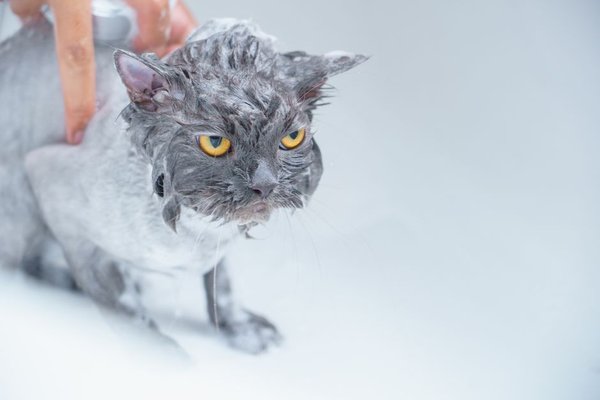
Most healthy cats do not need a regular bath schedule. Their tongues, teeth, and paws are remarkably effective grooming tools, and a cat that is healthy, mobile, and keeping its coat clean may go for years without needing a full bath. So if you are wondering how often you should bathe a cat, the most useful answer is usually “only when there is a clear reason.”
That answer changes for some cats. Age, weight, mobility, coat type, skin disease, and accidental messes can make occasional bathing useful. The goal is to keep the skin and coat healthy without unnecessary stress or stripping away natural oils.
Do Cats Need Baths on a Regular Schedule?
For the average indoor adult cat, no. Healthy cats are frequent self-groomers, so routine weekly or monthly bathing is generally unnecessary. There is no universal cat bath frequency that suits every pet. A short-haired indoor cat that keeps itself spotless has very different needs from an elderly long-haired cat with arthritis.
Instead of putting bath day on the calendar, watch the cat in front of you. A clean coat, normal skin, and regular self-grooming suggest bathing is probably not needed. Brushing removes loose hair, helps prevent tangles, and lets you notice sore areas, parasites, or skin changes. Related topics include cat brushing frequency, long-haired cat grooming, and how to prevent cat mats.
When a Cat May Actually Need a Bath
A bath becomes reasonable when self-grooming is not enough or a veterinarian recommends one. Examples include greasy, sticky, foul-smelling material; an older or overweight cat unable to reach parts of its body; or a cat with mobility problems struggling to keep the rear end and lower back clean.
Some skin conditions require bathing with a medicated shampoo. In those cases, the schedule is part of the treatment plan and may be much more frequent than normal grooming. Follow your veterinarian’s instructions closely because the correct product and frequency depend on the condition being treated.
Hairless cats can need more skin care because oils are not absorbed and distributed through fur in the same way. Even then, the ideal schedule varies. If the skin is greasy, irritated, flaky, or unusually smelly, a veterinarian can help determine whether bathing, wipes, or medical treatment is appropriate.
What if Something Potentially Toxic Is on the Fur?
If your cat has a chemical, concentrated essential oil, pesticide, paint, or another potentially harmful substance on its coat, prevent licking and contact a veterinarian promptly for product-specific advice. Do not automatically reach for a household cleaner or human shampoo, because trying to remove one substance with another can worsen the problem.
Signs You May Be Bathing Too Often
More bathing is not automatically better grooming. Repeated washing can dry or irritate the skin. Watch for flaking, redness, increased scratching, a dull coat, or irritation after baths. If a cat needs frequent washing because of persistent odour, grease, dandruff, or soiling, a veterinary check is usually more useful than increasing bath frequency.
Never use dog shampoo, human shampoo, or baby shampoo as a routine substitute for a cat product. Cats can be sensitive to ingredients found in products made for other species, and some dog parasite products contain substances that are dangerous to cats. For bathing a cat safely, use a shampoo specifically labelled for cats unless your veterinarian prescribes something else.
How to Bathe a Cat With Less Stress
Preparation matters. Before bringing your cat near water, place towels, cat shampoo, a cup or gentle sprayer, and a non-slip mat within reach. Brush out loose fur and tangles first, because wet mats can tighten and become harder to remove.
Use comfortably warm, not hot, water and keep it shallow. A sink or small tub is often easier to control than a large bathtub. Place the cat on a non-slip surface, wet the body gradually, and avoid the eyes, nose, and inner ears.
Apply a small amount of cat-safe shampoo and work it gently through the coat. Rinse thoroughly, because residue can irritate the skin. Clean the face separately with a soft damp cloth. When finished, wrap the cat in a dry towel, blot rather than scrub, and let it finish drying in a warm, draft-free room.
One of the best cat bathing tips is to keep the experience predictable. Stay calm, avoid forceful restraint, and use high-value treats before and after the bath if your cat accepts them.
A Practical Example
Imagine an indoor cat steps into non-toxic cooking oil and then walks through dust. Its back is clean, but the paws and belly are greasy. A full bath may not be necessary. Start by cleaning only the affected areas with a warm damp cloth. If the oil remains and the cat cannot safely groom it off, use a small amount of cat-safe shampoo on those areas, rinse well, and towel dry. Spot cleaning can solve the problem with far less stress than automatically filling a bathtub.
When Brushing or Spot Cleaning Is Enough
Many dirty-cat situations do not require a bath. Loose dust can often be brushed out, while a little dried food or a small muddy patch can usually be handled with a damp cloth. Regular brushing is especially valuable for long-haired cats and cats that need help removing loose fur.
This is why the question “do cats need baths?” is best answered by looking at the reason for washing. If the aim is routine cleanliness and the cat is already grooming well, brushing and occasional spot cleaning are usually the gentler choice.
Frequently Asked Questions
How often should you bathe an indoor cat?
Most healthy indoor cats do not need scheduled baths. Bathe only when the coat is genuinely soiled, the cat cannot groom effectively, or a veterinarian recommends bathing for a health reason.
Can I bathe my cat once a month?
A monthly bath is usually unnecessary for a healthy self-grooming cat. If your cat seems to need monthly washing because of odour, grease, flakes, or repeated soiling, ask your veterinarian whether a skin, mobility, weight, or grooming issue is contributing.
Should long-haired cats be bathed more often?
Not automatically. Long-haired cats often need more frequent brushing and mat prevention, but that does not mean they require frequent baths. Bathing may be useful when the coat is dirty or brushing alone cannot keep it manageable.
What is the safest shampoo for a cat?
Use a shampoo specifically formulated and labelled for cats. If your cat has allergies, sores, dandruff, parasites, or another skin problem, ask your veterinarian which product is appropriate rather than choosing a medicated shampoo yourself.
The Bottom Line
For most healthy cats, bath time should be an occasional solution, not a standing appointment. Let the condition of the coat, the cat’s ability to groom, and any veterinary treatment plan determine the frequency. When cleaning is needed, start with the least stressful option: brushing or a damp cloth for small messes, then a carefully prepared bath when a full wash is genuinely necessary.
A clean, comfortable cat does not need to smell like shampoo. It needs healthy skin, a manageable coat, and a grooming routine that respects how naturally capable cats are at caring for themselves.