
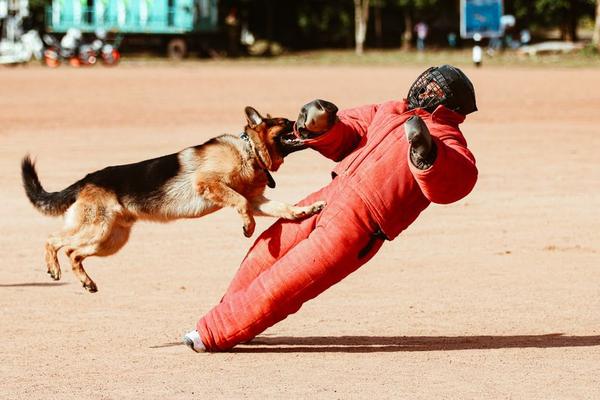
German Shepherds are admired for their intelligence, athleticism, loyalty, and versatility as working dogs and family companions. Their strength can make it easy to overlook a well-known breed risk: hip dysplasia. This developmental joint condition can affect mobility, comfort, and quality of life, either during puppyhood or after arthritis develops. Thoughtful German Shepherd care supports healthier joints and earlier detection.
German Shepherd hip dysplasia prevention is not about one supplement or exercise rule. Genetics play a major role, and no owner can guarantee that a dog will never develop the condition. The practical goal is to reduce avoidable risks, encourage steady growth, maintain a lean body condition, and seek advice when movement changes appear.
What Hip Dysplasia Means for German Shepherds
The hip is a ball-and-socket joint. In a healthy joint, the top of the thigh bone fits securely into the hip socket and moves smoothly. With hip dysplasia, the joint develops abnormally and may remain loose or poorly aligned. Over time, this instability can cause inflammation, pain, wear, and osteoarthritis.
Although dogs with hip dysplasia can come from any breed, it is more common in medium and large breeds, including German Shepherds. The condition is multifactorial. Inherited susceptibility is important, while rapid growth, excess weight, unsuitable nutrition, and excessive high-impact activity during development may influence its severity.
Start Prevention Before Bringing a Puppy Home
Choose a breeder who health-tests both parents
The most meaningful preventive step begins before a puppy is born. Responsible breeders should use recognised hip screening rather than relying on appearance or movement alone. In the UK, the BVA and Royal Kennel Club Hip Dysplasia Scheme assesses hip X-rays and gives each dog a score; lower scores indicate less evidence of dysplasia.
Ask to see documented results for both parents and discuss how they compare with the current breed median. Good parental scores reduce risk but cannot remove it, because several genes and environmental factors are involved. Be cautious when a seller dismisses screening or provides only verbal reassurance.
Support Steady, Controlled Growth
Feed an appropriate complete puppy diet
A German Shepherd puppy needs a nutritionally complete food formulated for growth and suitable for a large breed. The aim is steady development, not maximum speed or size. Overfeeding can add weight and place unnecessary stress on immature joints. Measure meals, adjust portions as the puppy grows, and use body condition rather than appetite alone to judge the amount.
Avoid adding calcium, vitamin D, or mineral supplements unless a veterinarian recommends them. Balanced puppy food provides nutrients in appropriate proportions, and unnecessary supplementation can disrupt that balance. Count treats as part of the daily intake.
Keep your German Shepherd lean
Healthy weight is one of the most practical ways to protect large breed joint health. You should be able to feel the ribs without pressing through a thick layer of fat, and the dog should have a visible waist from above. Regular body-condition checks can catch gradual gain early.
For a dog already diagnosed with hip dysplasia, weight control is especially important because extra weight increases the load carried by sore joints. Your vet can help set a safe target and feeding plan.
Use Exercise to Build Strength, Not Strain
German Shepherd puppies need activity for fitness, coordination, learning, and confidence, but more exercise is not automatically better. During growth, favour controlled, age-appropriate movement. Short walks, gentle play, training, and exploration on secure surfaces are generally more suitable than repeated jumping, long-distance running, hard stops, or intense stair climbing.
Slippery floors can make a young or sore dog skid. Rugs or non-slip runners can improve footing. Keep nails comfortable and provide a supportive resting area.
There is no universal exercise formula for every puppy. Growth rate, fitness, previous injury, and early symptoms matter. Ask your vet for personalised guidance, particularly if your German Shepherd appears stiff after activity or becomes reluctant to continue.
Recognise the Early Warning Signs
Hip dysplasia does not always look dramatic. Signs may include a swaying rear gait, “bunny hopping” with both back legs together, limping, stiffness after rest, difficulty rising, reluctance to jump or use stairs, reduced enthusiasm for walks, or sensitivity around the hips. Loss of muscle over the hindquarters may develop over time.
Do not assume a young dog is lazy, clumsy, or experiencing growing pains. Movement changes have several causes, and early veterinary assessment helps plan suitable care. Diagnosis may involve a physical examination and hip X-rays, sometimes performed under sedation or anaesthesia so the joints can be positioned accurately.
Caring for a German Shepherd with Hip Dysplasia
Treatment depends on the dog’s age, pain, joint changes, lifestyle, and overall health. Many dogs are managed with weight control, planned exercise, veterinary pain relief, and rehabilitation. Short, regular lead walks may be better tolerated than strenuous outings. Physiotherapy can strengthen supporting muscles, while professionally supervised hydrotherapy may provide lower-impact exercise.
Never give human painkillers unless a veterinarian explicitly instructs you to do so, as some are dangerous for dogs. Joint supplements may be discussed, but they should not replace pain management, weight control, or veterinary monitoring, and evidence varies between products.
When pain is severe or conservative management is not enough, surgery may be considered. The appropriate procedure depends on age and joint damage, so specialist referral may be recommended. With consistent management, many affected German Shepherds can remain active and enjoy a good quality of life.
Frequently Asked Questions
Can German Shepherd hip dysplasia be completely prevented?
No method can guarantee prevention because inherited susceptibility is a major factor. Choosing health-tested parents, supporting controlled growth, keeping the dog lean, and avoiding inappropriate high-impact exercise can reduce avoidable risks and may lessen severity.
At what age do symptoms usually appear?
Signs can begin while a puppy is growing, but mildly affected dogs may not show obvious discomfort until later, when arthritis has progressed. Persistent stiffness, altered gait, or exercise reluctance deserves veterinary attention at any age.
Should a German Shepherd puppy avoid all stairs?
Total avoidance is not always practical or necessary, but repeated racing on stairs can add strain and increase the chance of slips. Supervise access, improve traction, and ask your vet for advice based on the puppy’s development.
Is swimming good for a dog with hip dysplasia?
Low-impact water exercise can help some dogs, but uncontrolled swimming is not suitable for every case. Water temperature, entry and exit, and fatigue matter. A veterinarian or qualified rehabilitation professional can advise whether hydrotherapy is appropriate.
Protecting Hip Health for the Long Term
Good prevention and care come from ordinary decisions repeated consistently: selecting responsibly bred puppies, feeding for steady growth, maintaining a lean body condition, providing sensible exercise, and responding quickly to movement changes. These steps cannot rewrite genetics, but they can protect comfort and support mobility. For an active breed such as the German Shepherd, long-term attention to joint health is one of the most valuable forms of care an owner can provide.