
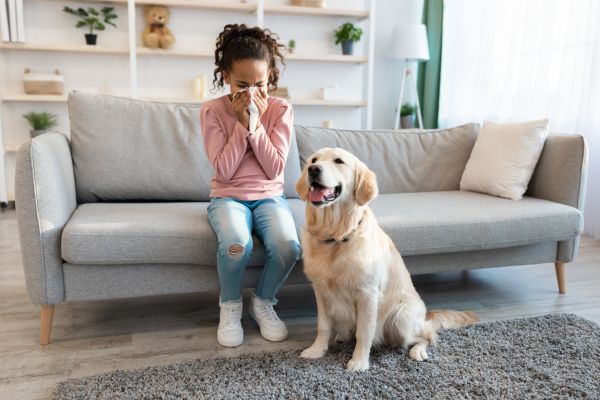
Pets can bring a lovely kind of warmth into family life. A dog waiting by the door, a cat curling up on the sofa, a rabbit nibbling quietly in its hutch, these little scenes often become part of a child’s everyday world. But for some families, that closeness comes with sneezing, itchy eyes, coughing, rashes, or breathing trouble. Pet allergies in kids can be frustrating because they sit right in the middle of two very real things: a child’s love for animals and a parent’s need to protect their health.
The good news is that many families can manage symptoms with the right habits, medical guidance, and home routines. The harder truth is that pet allergies should not be ignored, especially when a child has asthma or frequent breathing symptoms. A mild allergy can feel like a nuisance, but for some children, exposure can affect sleep, school focus, and overall comfort.
What Causes Pet Allergies in Children
A common misunderstanding is that children are allergic to pet hair. Hair can carry allergens, but it is usually not the main cause. Pet allergies are reactions to proteins found in an animal’s dander, saliva, urine, or sweat. Dander, the tiny flakes of skin animals shed, is especially tricky because it can float in the air and settle into carpets, bedding, furniture, and clothing. Mayo Clinic notes that furred animals can trigger pet allergies, with cats and dogs being among the most common sources.
This is why a home can still bother an allergic child even when it looks clean. Allergens are often too small to see. They cling quietly to soft surfaces and may remain in a room even after the pet has left. For children, who spend time on floors, couches, beds, and rugs, exposure can happen easily.
Common Signs Parents May Notice
Pet allergies in kids do not always look dramatic at first. A child may sneeze after playing with a cat, rub their nose often, or wake up congested after sleeping in a room where the pet spends time. Watery eyes, itchy skin, coughing, throat irritation, and postnasal drip are also common signs.
Some children develop skin symptoms after direct contact, such as hives, eczema flare-ups, or itchy patches. Others may have breathing symptoms, especially if they already have asthma. Wheezing, chest tightness, shortness of breath, or coughing at night should be taken seriously. According to the American Academy of Allergy, Asthma & Immunology, pet allergens can trigger allergic symptoms and may worsen asthma in sensitive people.
The timing can offer clues. If symptoms seem worse after visiting a home with pets, playing with an animal, sitting on a pet-used sofa, or sleeping near pet bedding, an allergy may be involved.
Why Diagnosis Matters Before Making Big Decisions
It is easy to assume the family pet is the cause of every sniffle, but children can react to many indoor allergens, including dust mites, mold, pollen brought in from outside, and household irritants. That is why a proper diagnosis is useful. A pediatrician or allergy specialist may recommend allergy testing, depending on the child’s symptoms and medical history.
Diagnosis matters because it helps families make choices based on facts rather than guilt or guesswork. A child may be allergic to cats but not dogs, or sensitive to dust in the pet’s bedding rather than the pet itself. Sometimes several triggers are working together. Once parents know what they are dealing with, prevention and management become much more practical.
Creating Pet-Free Spaces at Home
One of the most helpful steps is giving the child a pet-free bedroom. This matters because children spend many hours sleeping, and nighttime exposure can lead to stuffy noses, coughing, restless sleep, and tired mornings. Keeping pets out of the bedroom is not always easy, especially if the pet is used to sleeping there, but it can make a real difference.
The bedroom should be treated as a clean zone. Bedding should be washed regularly, soft clutter should be limited, and stuffed animals may need occasional cleaning if allergens collect on them. If a child has more serious symptoms, parents may also consider keeping pets off sofas or out of certain family areas.
This is not about punishing the pet. It is about creating breathing space for the child.
Cleaning Habits That Reduce Allergen Build-Up
Cleaning cannot remove every allergen, but consistent routines can lower the amount floating around the home. Vacuuming with a suitable filter, dusting with a damp cloth, washing pet bedding, and cleaning floors regularly can help. Hard flooring is easier to manage than thick carpets, which tend to trap dander.
Airflow also matters. Some families use air purifiers with HEPA filters in the child’s bedroom or main living areas. These may help reduce airborne particles, though they work best as part of a wider plan, not as a single solution.
It is also wise to wash hands after touching pets, especially before eating or touching the face. Children may need gentle reminders because they naturally hug animals, touch their fur, and then rub their eyes without thinking.
Pet Care Can Affect Allergy Levels
Regular pet grooming may reduce loose hair and dander in the home, though grooming should ideally be done by someone who is not allergic. Brushing a pet outdoors, when possible and safe, can help keep some allergens out of indoor spaces. Bathing may help for some animals, but it should be done according to veterinary advice because over-bathing can irritate an animal’s skin.
Litter boxes, cages, and bedding should be cleaned carefully and often. Rodents, rabbits, and other small pets can also trigger allergies through dander, hair, saliva, and urine. A small pet is not automatically an allergy-safe pet.
Families should also be careful with the phrase “hypoallergenic pet.” Some breeds may shed less, but no cat or dog breed is truly free of allergens. Mayo Clinic also states that no breed is truly hypoallergenic.
Managing Symptoms with Medical Guidance
For mild symptoms, a doctor may suggest antihistamines, nasal sprays, eye drops, or other treatments. Children should not be given medicines casually or long-term without proper guidance, especially if symptoms are frequent. If asthma is involved, the child’s asthma action plan should be reviewed with a healthcare professional.
Some children may be candidates for allergy immunotherapy, often called allergy shots or allergy treatment, depending on their age, symptoms, and test results. This is something to discuss with an allergist, not a quick home decision.
Parents should seek medical help promptly if a child has wheezing, shortness of breath, chest tightness, trouble sleeping because of coughing, or symptoms that keep returning despite home changes.
Helping Children Understand Without Blame
Pet allergies can be emotionally hard for children. A child may feel upset if they are told not to cuddle the family dog as much, or guilty if family routines change because of their symptoms. Parents can help by explaining allergies in simple, kind language.
A child does not dislike the pet. The pet has not done anything wrong. The child’s body is simply reacting to tiny things the animal naturally carries. That explanation can reduce sadness and confusion.
Children can still show love in safer ways. They may help fill a water bowl, toss a toy instead of burying their face in fur, or sit near the pet in a cleaner area. The goal is to protect health while keeping the emotional bond as gentle as possible.
When Keeping a Pet Becomes Difficult
In many cases, families manage pet allergies with boundaries, cleaning, and treatment. But sometimes symptoms remain severe, especially when asthma is involved. If a child’s breathing is affected, if sleep is constantly disrupted, or if medication is not controlling symptoms, parents may face difficult choices.
These decisions should be made with medical advice and honest family discussion. Rehoming a pet is painful and should never be treated lightly, but a child’s health has to come first. In some situations, reducing exposure is not enough.
There is no one-size-fits-all answer. The right choice depends on the child’s health, the severity of the allergy, the home environment, and the family’s ability to manage exposure safely.
A Balanced Way Forward
Pet allergies in kids can make family life more complicated, but they do not always mean a child must live without animals. With careful observation, medical support, cleaner spaces, and thoughtful boundaries, many families find a routine that works. The most important thing is to take symptoms seriously instead of brushing them off as “just sneezing.”
At the heart of prevention and management is balance. Children deserve to enjoy the comfort animals can bring, but they also deserve clear breathing, good sleep, and healthy days. When families approach pet allergies with patience and practical care, they can make kinder decisions for both the child and the animal. That balance may not always be perfect, but it can be thoughtful, steady, and deeply loving.