
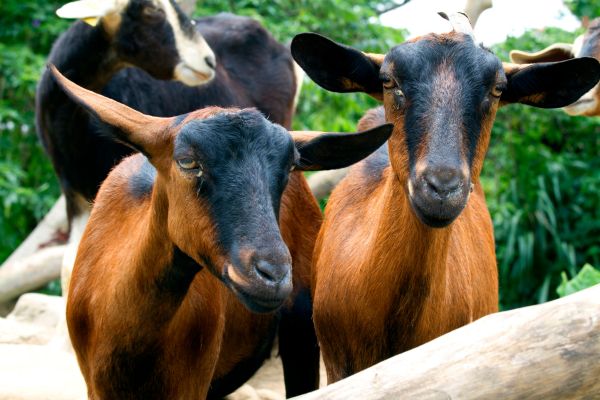
Anyone who has spent time around goats learns one thing fairly quickly: they are far more particular than they first appear. Goats may tolerate rough terrain, changing weather, and long days outdoors, but they still crave comfort, dryness, and security when it’s time to rest. A poorly designed shelter often leads to muddy bedding, stressed animals, and endless cleaning chores. A thoughtful shelter, on the other hand, changes the entire rhythm of a farm.
That’s why goat shelter design ideas have become such an important topic among farmers, homesteaders, and small livestock owners. The best shelters are not always the biggest or most expensive. In many cases, simple structures built with practical thinking outperform elaborate barns that ignore how goats actually behave.
Goats climb, explore, crowd together during bad weather, and search constantly for dry places to lie down. Shelter design works best when it reflects those instincts instead of fighting them. A functional goat shelter becomes more than just protection from rain. It turns into a place where the herd feels settled, safe, and easier to manage throughout the year.
Understanding What Goats Need From a Shelter
Goats handle cold temperatures surprisingly well, but dampness is another story entirely. Wet conditions create stress quickly and can contribute to respiratory problems, hoof issues, and general discomfort.
A good shelter focuses first on staying dry. That principle sounds simple, though many beginners accidentally prioritize appearance over functionality. Fancy structures with poor ventilation or muddy flooring often create more problems than basic open-sided sheds built thoughtfully.
Ventilation matters just as much as warmth. Goats produce moisture through breathing and body heat, especially when grouped together overnight. Without airflow, barns become humid and stale. Over time, that trapped moisture affects both animal health and bedding conditions.
At the same time, goats dislike direct drafts blowing across resting areas. The challenge lies in balancing fresh airflow with protection from harsh wind and driving rain.
Space also plays an important role. Crowded shelters increase stress and competition, especially during feeding or severe weather. Even friendly herds need room to spread out comfortably.
Open-Sided Shelters for Mild Climates
In regions with relatively mild winters, open-sided shelters remain one of the most practical goat shelter design ideas available. These structures are simple, affordable, and surprisingly effective when positioned correctly.
Typically, the open side faces away from prevailing wind and storms. This allows goats to move freely in and out while still providing reliable protection during rain or intense sun.
One reason goats adapt well to open shelters is their natural preference for outdoor movement. Many goats spend much of the day outside regardless of weather conditions, only gathering inside during heavy rain, strong wind, or nighttime rest.
Roof overhangs help significantly in these designs by reducing mud buildup near entrances. Without them, water runoff often creates slippery, messy conditions directly where goats gather most frequently.
Simple dirt floors can work in dry climates, though gravel or compacted stone underneath bedding improves drainage considerably over time.
Traditional Barn-Style Goat Housing
Larger farms or colder regions often rely on enclosed barn-style shelters. These structures offer greater weather protection and make winter management easier, especially during kidding season.
Barn shelters allow separate spaces for pregnant does, young kids, feed storage, and milking areas when necessary. They also simplify nighttime security in areas where predators remain a concern.
Still, enclosed barns require careful planning to avoid moisture problems. Goats generate more humidity than people expect, particularly during winter when doors remain closed more often. Ridge vents, side openings, and adjustable windows help maintain healthy airflow without exposing animals to direct drafts.
Lighting also affects barn comfort more than many realize. Dark shelters tend to feel damp and stagnant, while natural light improves both visibility and overall atmosphere. Many experienced goat keepers intentionally include windows or translucent roof panels to brighten interior spaces naturally.
The best barns usually evolve gradually over time. Farmers adjust layouts, add partitions, and refine feeding arrangements based on how the herd actually uses the space rather than sticking rigidly to original plans.
Portable Shelters for Rotational Grazing
Portable shelters have become increasingly popular among smaller farms practicing rotational grazing. These lightweight structures move alongside grazing areas, giving goats access to shelter without concentrating manure in one location for too long.
Some portable shelters are built on skids, while others use lightweight metal frames or repurposed trailers. Simplicity is often the goal. The shelter needs to move efficiently without becoming structurally weak.
Portable systems work especially well for goats because they naturally enjoy browsing over wide areas rather than staying confined constantly. Rotating grazing zones also helps reduce parasite pressure, which remains one of the biggest health challenges in goat management.
However, portable shelters still require durability. Goats climb aggressively on almost anything available, including roofs, side rails, and feeding structures. Weak materials rarely survive long under daily goat behavior.
Farmers using movable shelters often accept a certain level of cosmetic damage over time. Function tends to matter more than maintaining perfect appearances.
Flooring Choices and Bedding Considerations
Flooring influences shelter maintenance more than almost any other design decision. Muddy or poorly drained flooring creates constant frustration regardless of how well-built the structure itself may be.
Concrete floors are durable and easy to clean, though they can feel cold and hard without sufficient bedding. Some farmers prefer packed clay or gravel bases because they drain more naturally and feel softer underfoot.
Raised wooden platforms sometimes appear in smaller goat shelters as dry resting areas. Goats instinctively seek higher ground, especially during wet conditions, so elevated spaces often become popular resting spots quickly.
Bedding choices also shape overall shelter comfort. Straw remains common because it insulates well and absorbs moisture effectively. Wood shavings work in some situations but may require more frequent replacement depending on humidity levels.
Deep bedding systems are widely used during colder months. Instead of removing all bedding daily, fresh layers are added gradually over existing material, creating warmth through natural composting underneath. When managed properly, these systems reduce labor while helping maintain dry resting surfaces.
Still, no bedding system works without proper ventilation. Moisture eventually overwhelms even thick bedding if airflow remains poor.
Designing Shelters With Goat Behavior in Mind
One mistake new goat owners often make is designing shelters based on human convenience alone rather than animal behavior. Goats interact with structures differently than cattle or horses.
They climb constantly. Low roofs, unstable platforms, and unsecured feeders quickly become playground equipment. Shelters designed without considering climbing behavior often require repeated repairs.
Goats also establish social hierarchies within the herd. Dominant animals may block timid goats from entrances or feeding spaces if layouts feel cramped. Wider openings and multiple access points reduce conflict significantly.
Curiosity shapes nearly every part of goat behavior. Goats investigate latches, chew exposed materials, and squeeze through surprisingly small gaps. Strong construction matters because goats test boundaries relentlessly.
At the same time, goats appreciate comfort more than their rugged reputation suggests. Dry corners, elevated resting spots, and shaded outdoor areas all improve how willingly goats use shelters throughout the year.
Seasonal Shelter Adjustments
Good goat shelters adapt naturally across changing seasons rather than functioning identically year-round.
Summer priorities usually focus on airflow and shade. Hot barns without ventilation become uncomfortable quickly, particularly in humid climates. Open windows, shaded outdoor loafing areas, and reflective roofing materials help reduce heat buildup.
Winter shifts attention toward dryness and wind protection. Temporary windbreak panels or additional bedding often make a noticeable difference during colder months without requiring permanent structural changes.
Rainy seasons create their own challenges. Drainage around shelters becomes especially important because goats dislike standing in mud for long periods. Slight elevation or gravel paths near entrances help maintain cleaner conditions during wet weather.
Shelters that function smoothly through multiple seasons are usually designed with flexibility in mind rather than relying on fixed conditions.
Blending Practicality With Farm Aesthetics
While function matters most, many farmers still care about how their shelters fit visually into the landscape. Rustic wood siding, metal roofing, reclaimed barn materials, and natural color choices often help goat shelters blend more naturally into rural settings.
That said, experienced livestock owners usually prioritize practical details over visual perfection. A beautiful shelter that leaks, traps moisture, or creates cleaning difficulties loses its appeal fairly quickly during daily use.
Often, the most attractive farm shelters are simply the ones that age naturally alongside the property. Weathered wood, worn pathways, and small design adjustments made over time create a sense of authenticity that polished structures sometimes lack.
There’s something appealing about shelters that clearly reflect years of real farm life rather than showroom-style perfection.
Conclusion
Exploring goat shelter design ideas reveals that successful shelters depend far more on practicality than complexity. Goats need dry spaces, good ventilation, reliable protection from harsh weather, and enough room to move comfortably within the herd. Beyond that, the best designs usually grow from observation and experience rather than strict formulas.
Every farm develops its own rhythm, shaped by climate, herd size, available materials, and daily routines. Some shelters remain simple open sheds, while others evolve into larger barns with carefully organized spaces. What matters most is how well the structure supports both the animals and the people caring for them.
In the end, good goat shelter design reflects an understanding of goat behavior itself. These animals are curious, resilient, social, and surprisingly aware of their surroundings. When shelters are built with those instincts in mind, the entire farm tends to feel calmer, cleaner, and easier to manage throughout the changing seasons.