
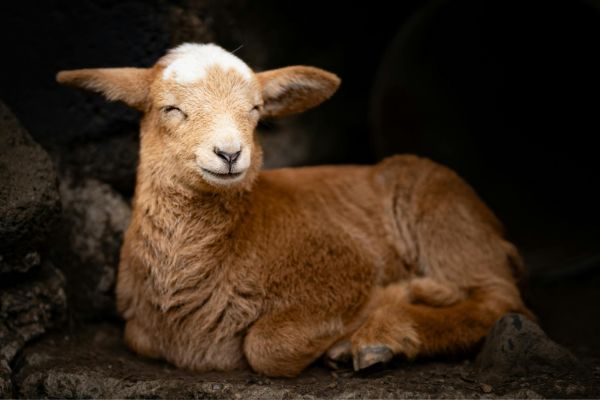
Goats have a reputation for being hardy, curious, and adaptable animals. They thrive in varied climates, browse enthusiastically, and often seem full of energy. Yet anyone who keeps goats long enough learns an important truth: resilience does not mean immunity. Like all livestock, goats perform best when health problems are prevented rather than treated after they appear.
That is why disease prevention in goats matters so much. A sick goat can lose weight quickly, reduce milk production, suffer reproductive setbacks, or spread illness through the herd before obvious signs are noticed. By the time serious symptoms appear, recovery may be more expensive, slower, and less certain than many owners expect.
The encouraging part is that prevention is usually practical. Good housing, nutrition, sanitation, observation, parasite control, and veterinary planning go a long way. Goat health often depends less on fancy systems and more on consistent daily management.
Why Prevention Works Better Than Reaction
Many new keepers focus on treatment products before learning management basics. But goats usually benefit most from conditions that reduce disease pressure in the first place.
Strong animals with clean water, balanced nutrition, dry shelter, low stress, and proper vaccination plans are generally better able to resist illness than animals living under chronic strain.
Treatment has its place, of course. Yet relying on treatment alone can become costly and frustrating.
Healthy herds are usually built through habits, not emergencies.
Start With Clean, Dry Housing
Moisture is a quiet enemy in goat keeping. Wet bedding, muddy pens, poor drainage, and stale air can contribute to respiratory problems, hoof issues, and general stress.
Goats strongly prefer dry footing and shelter from persistent rain or cold wind. Housing does not need to be luxurious, but it should provide protection, ventilation, and regular cleaning.
Fresh air matters. Closed sheds with trapped ammonia from urine can irritate lungs and create conditions where disease spreads more easily.
A simple, dry shelter often does more for disease prevention in goats than expensive equipment.
Good Nutrition Builds Natural Resistance
Underfed or poorly nourished goats are more vulnerable to illness. Immune function, growth, reproduction, and recovery all depend on adequate nutrition.
Quality forage is usually the foundation. Depending on region and production goals, browse, hay, pasture, minerals, and carefully managed concentrates may all play roles.
Mineral balance deserves special attention. Deficiencies in key nutrients such as selenium, copper, or zinc—where locally relevant and professionally guided—can affect health and performance.
Nutrition should match age, pregnancy status, lactation demands, and body condition rather than treating all goats the same.
Fresh Water Should Never Be Overlooked
Water sounds basic because it is basic. Yet dirty troughs, low supply, frozen buckets, or overheated stagnant water can reduce intake quickly.
Goats may become selective about unpleasant water sources. Lower intake can affect digestion, milk yield, appetite, and general resilience.
Containers should be cleaned routinely and checked often. In hot weather, demand rises. In cold weather, frozen access becomes a real risk.
Sometimes health problems begin with neglected basics.
Quarantine New Animals Before Mixing
One of the most effective steps in disease prevention in goats is quarantine. New arrivals may look healthy while carrying parasites or infectious disease.
Separating incoming goats for an observation period allows time to monitor appetite, droppings, body condition, coughing, nasal discharge, skin issues, and overall behavior. It also provides a chance for testing or veterinary review when appropriate.
Excitement about new animals often makes owners rush introductions. That impatience can become expensive later.
A short waiting period may protect the whole herd.
Parasite Control Requires Strategy
Internal parasites are among the most common health challenges in goats. In many climates, worms can reduce weight gain, cause anemia, weaken immunity, and in severe cases lead to death.
Modern control increasingly relies on management rather than blanket overuse of dewormers. Rotational grazing, avoiding overstocking, keeping feeders off the ground, and monitoring body condition can help reduce exposure.
Targeted treatment based on need and veterinary guidance is often wiser than routine automatic dosing, especially where resistance is a concern.
Healthy pasture management is herd medicine in disguise.
Watch Hoof Health Closely
Feet are easy to ignore until a goat begins limping. Overgrown hooves, wet ground, sharp terrain, and infectious hoof problems can all reduce movement, feed intake, and breeding performance.
Regular hoof trimming, dry standing areas, and prompt attention to lameness are important. Goats hide discomfort surprisingly well until issues become advanced.
A goat reluctant to move is often telling you something early.
Vaccination Plans Matter
Vaccination needs vary by region, farm system, and disease risk, but preventive programs can be highly valuable. Many keepers work with veterinarians to establish schedules relevant to local threats.
No vaccine replaces management, yet vaccines can reduce risk of serious disease and herd loss when used appropriately.
Because disease patterns differ between areas, copying another farm’s schedule blindly is less helpful than building a plan suited to your own conditions.
Keep Feeding Areas Clean
Goats are curious but selective eaters. They dislike feed contaminated with manure, urine, or mud. Feeding hay directly on dirty ground increases waste and may increase parasite exposure.
Raised feeders, clean troughs, and dry storage for feed can make a noticeable difference. Moldy or spoiled feed should never be ignored.
Good feeding hygiene supports digestion and reduces unnecessary health stress.
Reduce Stress Wherever Possible
Stress weakens animals over time. Overcrowding, rough handling, sudden ration changes, extreme weather, transport, predator pressure, and constant social disruption can all contribute.
Calm routines matter more than many people think. Goats learn patterns quickly and often respond well to predictable management.
Even small improvements—shade in summer, shelter in storms, gentler handling—can support stronger herd health.
Observe Goats Every Day
One of the best tools in disease prevention in goats costs nothing: observation.
Healthy goats are usually alert, interested, chewing cud, moving normally, and socially engaged. Changes in posture, appetite, droppings, coat condition, isolation, coughing, grinding teeth, or unusual quietness may signal trouble.
Daily familiarity helps owners notice subtle shifts early. Waiting for dramatic symptoms often means waiting too long.
Good stockmanship begins with noticing.
Breeding and Kid Care Influence Herd Health
Pregnant does, newborn kids, and growing young stock need extra attention. Clean kidding areas, prompt colostrum management, dry bedding, and protection from harsh weather all help reduce early losses.
Young animals are often more vulnerable to scours, pneumonia, nutritional mistakes, and parasite burdens.
Strong herd health starts with strong beginnings.
Keep Records, Even Simple Ones
Many small keepers rely on memory, but written notes are powerful. Track kidding dates, treatments, weights, parasite issues, vaccination timing, and recurring health concerns.
Patterns emerge over time. You may notice one pasture creates problems, one bloodline struggles more, or certain seasons increase disease pressure.
Records turn guesswork into management.
Know When to Call a Veterinarian
Prevention does not eliminate every illness. When goats show severe lethargy, breathing trouble, sudden weakness, persistent diarrhea, neurological signs, inability to eat, or unexplained deaths, professional help matters quickly.
Early veterinary involvement often improves outcomes and prevents spread.
There is wisdom in acting sooner rather than later.
Conclusion
Disease prevention in goats is not one product or one trick. It is the sum of everyday choices: dry housing, clean water, balanced feed, parasite strategy, hoof care, quarantine, vaccination planning, and attentive observation.
Goats reward consistency. When their basic needs are met and problems are caught early, they often remain productive, energetic, and resilient. In the end, the healthiest herds are usually shaped not during crisis, but through quiet daily care.